

Home insulation supplies are at the heart of making your house more energy-efficient, comfortable, and resilient against rising energy costs. Whether you’re building new or improving an existing property, knowing your options and how to install them can make or break your energy savings—and impact your year-round comfort. This actionable guide breaks down the latest insulation trends, practical installation steps, and the market realities to help you install smarter and avoid costly mistakes.
Key Takeaways
- The U.S. home insulation market is booming, driven by new energy standards and rising consumer awareness.
- Choosing the right home insulation supplies means matching your needs, climate, and budget—one size does not fit all.
- DIY insulation projects require careful planning to avoid common pitfalls that can cost you more in the long run.
- What Are Home Insulation Supplies and Why Should You Care?
- Step-by-Step Guide: How to Select and Install Home Insulation Supplies
- Advanced Analysis & Common Pitfalls with Home Insulation Supplies
- Conclusion
- FAQ
What Are Home Insulation Supplies and Why Should You Care?
Home insulation supplies refer to all the materials and tools needed to insulate residential spaces—walls, attics, floors, basements—from heat loss and heat gain. Insulation acts as a barrier, reducing unwanted air transfer, maintaining indoor temperature, and lowering heating and cooling costs. In the U.S., the demand for effective home insulation is rising quickly. New energy codes, urban growth, and a focus on lowering utility bills are accelerating market growth—estimated between $10.3 and $13.3 billion in 2024, expected to grow to as much as $24.9 billion by 2034[source].

Major types of home insulation supplies include fiberglass batts, loose-fill cellulose, rigid foam boards (like expanded polystyrene), spray foam, and natural fiber options. Each comes with unique installation needs and performance profiles. For many, the draw is both environmental and financial—good insulation keeps homes cozy in winter, cool in summer, and helps tackle rising energy bills. Plus, better insulation is key for modern green construction and may increase resale value, a fact savvy homeowners are noticing.
For more beautiful upgrades that enhance comfort, you might like our resource on modern Christmas decor for 2025, which also shares ideas for improving indoor ambiance year-round.
Step-by-Step Guide: How to Select and Install Home Insulation Supplies
Whether you’re insulating an attic, walls, or crawl spaces, follow these steps to ensure you choose—then properly install—the best home insulation supplies for your project:
- Assess Your Current Insulation and Goals
- Check existing insulation depth, type, and condition in attics, walls, or floors.
- Identify problem zones—drafts, cold spots, uneven temperatures.
- Set clear goals: Are you seeking lower energy bills, greater comfort, or meeting new building regulations?
- Understand Your Climate & Local Codes
- Warmer regions (Southwest, Southeast) require less thermal insulation than colder areas (Northeast, Midwest).
- Check local energy codes for minimum R-value requirements for each building section.
- Pick Insulation Types That Suit Your Space
- Attics: Loose-fill fiberglass or cellulose is great for unfinished attics; batts or spray foam for finished attics.
- Walls: Fiberglass batts for open stud walls; blown-in cellulose for retrofit projects.
- Basements/Crawl Spaces: Rigid foam boards or closed-cell spray foam resist moisture and mold.
- Eco-conscious? Look at natural fibers—growing fast with $1.3B in 2024 U.S. sales[source].
- Calculate How Much Material You’ll Need
- Measure total square footage and multiply by recommended insulation thickness (check R-value per inch for your chosen product).
- Add extra for waste—especially in rooms with lots of corners or obstacles.
- Gather All Tools and Protective Equipment
- Common tools: utility knife, straightedge, measuring tape, safety glasses, gloves, dust mask, staple gun, caulk/sealant for air leaks.
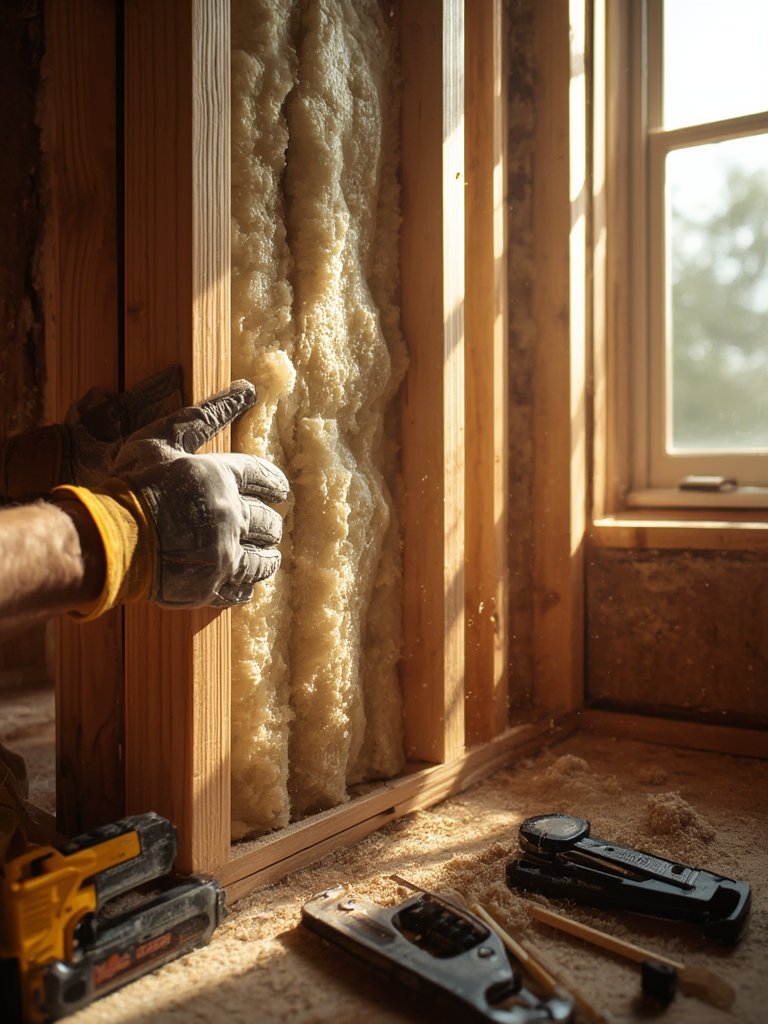
- Install According to Manufacturer’s Instructions
- Wear protective gear and follow safety best practices.
- Seal air leaks around outlets, plumbing, and attic hatches before placing insulation.
- Do not compress batts or overstuff cavities—this reduces insulation effectiveness.
- Foam and spray foam require careful handling; improper application can create voids or off-gassing issues. For large jobs, consider hiring a professional.
- Tidy up all scraps and packaging—leftover bits can be fire hazards.
- Check for proper fit and coverage before replacing drywall or sheathing.
For homeowners tackling other seasonal upgrades, make sure to see our tips for affordable home decorating, which includes clever ways to integrate insulation and energy savings into your holiday projects.
Advanced Analysis & Common Pitfalls with Home Insulation Supplies
Even with the best home insulation supplies, common mistakes and market realities can undermine your investment.
| Common Pitfall | Impact | How to Prevent |
|---|---|---|
| Choosing the Wrong Material for Space | Poor insulation where you need it most, increased energy use | Match product to each area (e.g., rigid foam for basements, batts for attics) |
| Ignoring Air Leaks Before Installing | Loss of insulation performance & persistent drafts | Seal all cracks, gaps, and penetrations before adding insulation |
| Improper Installation (Gaps, Compression) | Reduces R-value and thermal protection, attracts moisture | Follow installation guides, don’t compress or force materials |
| Not Meeting Local Building Codes | Failed inspections, costly rework, safety issues | Check your code requirements and recommended R-values by region |
| Assuming “More is Always Better” | Higher costs with marginal returns; potential for trapped moisture | Follow guidelines for optimal thickness—more isn’t always worth it |
| Overlooking Moisture Control | Mold, rot, and insulation degradation | Use vapor barriers when needed and assure good ventilation |
| DIY Installations Beyond Skill Level | Unsafe conditions or wasted materials | Hire a pro for spray foam, high walls, or complex spaces |
Market research shows that glass wool currently leads by market share (27.4%), while foam forms (like expanded polystyrene) are gaining traction thanks to energy codes and easier installation. See sector growth here and here.
One common mistake is skimping on professional installation for spray foam, which has demanding application rules—failure can cause serious health and building damage. Carefully compare cost, performance, and technical difficulty before deciding which home insulation supplies you’ll try to DIY versus outsource.

Looking for ways to blend function and beauty? Don’t miss our station guide for creative home gift-wrapping—proof that practical spaces don’t have to be boring.
For seasonal projects, see our Christmas staircase garland ideas to make insulation upgrades part of your holiday prep.
Conclusion
Packing your home with high-quality insulation is a proven way to boost energy efficiency, comfort, and value. As the U.S. home insulation market continues to grow in both size and options, there are more home insulation supplies available now than ever before—making the right choice a mix of practical research and strategic installation. Be realistic, do your homework, and don’t ignore comfort or code requirements. Start your next insulation project with confidence by planning carefully and avoiding easy-to-make mistakes. Ready to upgrade your home insulation supplies? Get started now—and experience year-round comfort and savings.
FAQ
What are the main types of home insulation supplies?
Major categories include fiberglass batts, cellulose (loose-fill), rigid foam boards, spray foam, and natural fiber insulation. Each has unique installation requirements and performance benefits.
How do I know what R-value to use for my region?
Check the U.S. Department of Energy website or your local building codes for zone-specific R-value recommendations. Colder climates require higher R-values in attics and exterior walls.
Is it possible to DIY all insulation types?
Some types—like fiberglass batts and loose cellulose—are DIY-friendly with proper safety. Spray foam and large blown-in jobs are best left to professionals due to equipment needs and installation complexity.
How can I avoid common insulation installation mistakes?
Never ignore air sealing before insulating, don’t compress insulation, and always measure carefully. When in doubt, consult guides or professionals to avoid costly missteps.
Do insulation upgrades increase home value?
Yes. Improved insulation boosts energy efficiency and comfort, which many buyers value. While payback varies by region and material, it’s a practical upgrade that can improve resale appeal.