

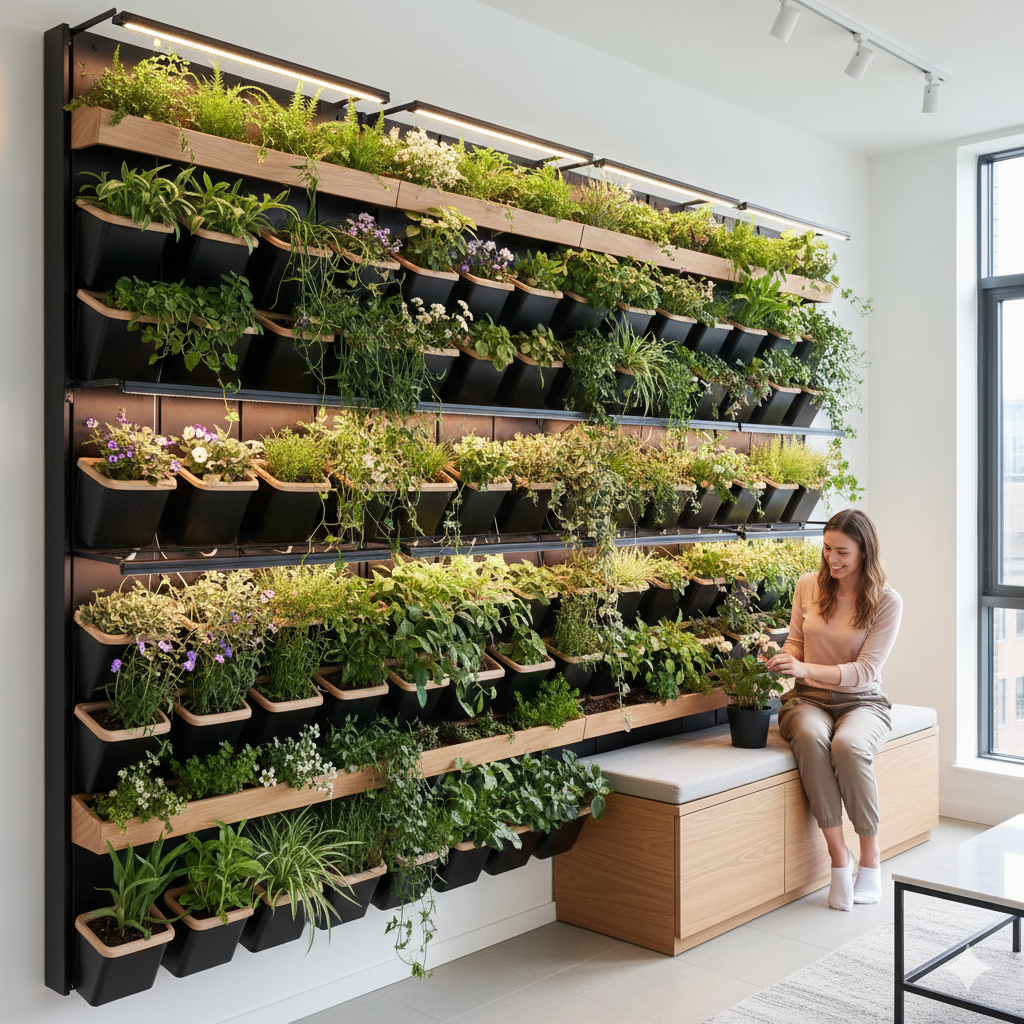
Indoor vertical garden systems are transforming how urban apartments and homes add nature, clean air, and modern design—even if real estate is tight and sunlight is in short supply. With demand soaring worldwide in 2024, let’s cut through the trends and get real about what works, what doesn’t, and how to bring a green wall home without regret.
Key Takeaways
- Indoor vertical gardens help purify air, boost mood, and bring style to even the smallest apartments—if designed and maintained thoughtfully.
- Hydroponic systems offer rapid growth and less mess but cost more up front and require learning; soil-based setups are affordable but create more maintenance and cleanup.
- Smart tech, allergen awareness, and sustainability practices are now essentials for any truly modern indoor vertical garden in 2024.
- What Is an Indoor Vertical Garden and Why Are They Taking Over Urban Decor?
- How to Set Up an Indoor Vertical Garden: Step-by-Step Guide
- Advanced Analysis & Common Pitfalls: What You Need to Get Right
- Conclusion
- FAQ
What Is an Indoor Vertical Garden and Why Are They Taking Over Urban Decor?
Indoor vertical gardens are plant walls or stacked modular systems that bring greenery into compact urban apartments, lofts, or condos by growing plants vertically instead of sprawling out across limited floor space. In 2024, these setups have exploded in popularity, with the vertical garden construction market reaching USD 1.3 billion and smart indoor gardens expected to double in value over the next decade.
This rush is driven by growing urban populations in spaces like New York, San Francisco, Beijing, and Mumbai—combined with people craving healthier homes, air purification, and natural beauty where square footage is limited. Indoors, vertical gardens remove up to 87% of air pollutants within 24 hours, according to EPA research. They also make a bold style statement, aligning with 2024’s biophilic design trends for both home offices and living rooms.
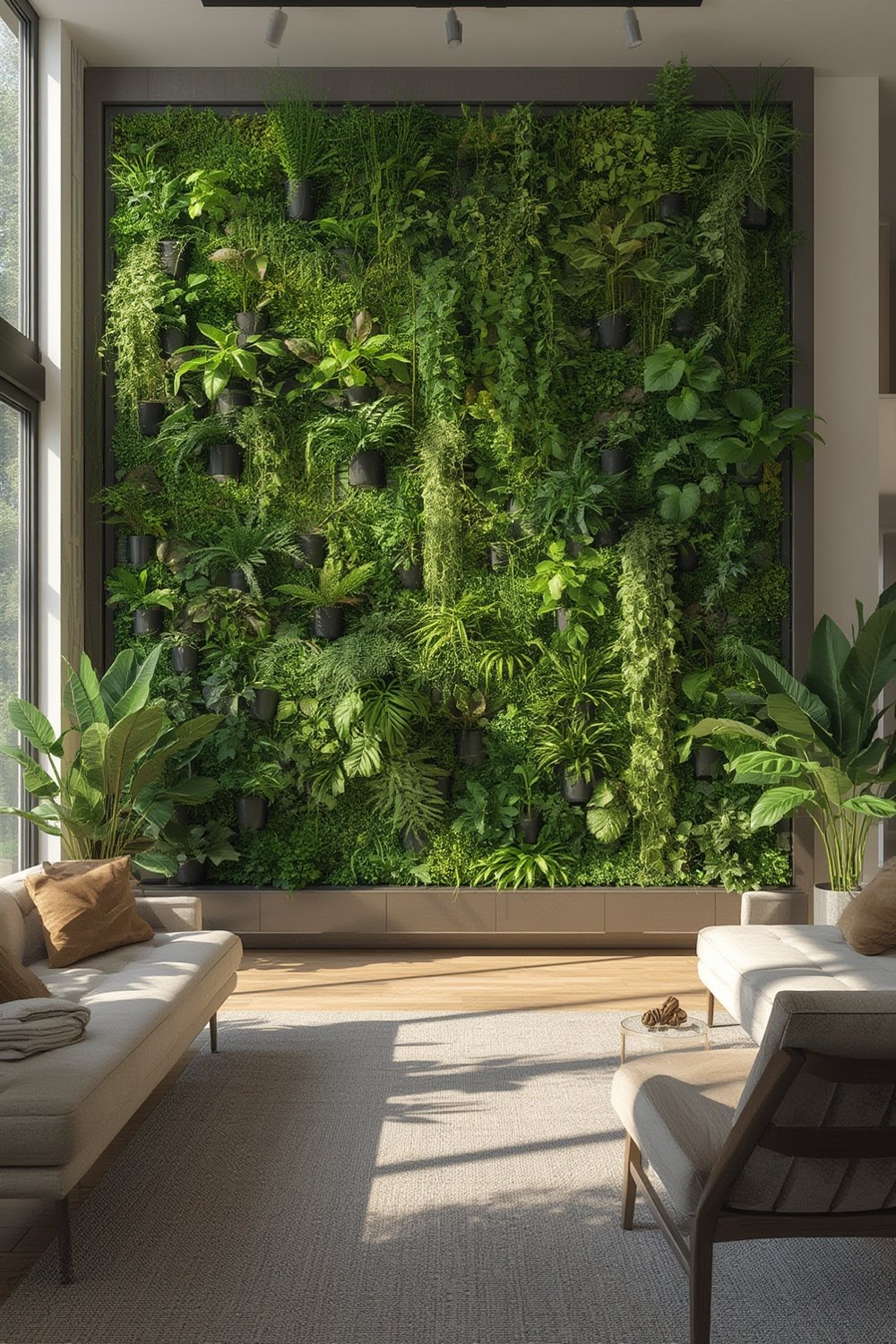
Today’s most popular indoor vertical garden systems are:
- Hydroponic modules: Soilless, fast-growing, automated, perfect for herbs and greens
- Soil-based pockets: Classic, accommodates many plants, but can be messy and high-maintenance
- Smart kits: Feature LEDs, automated watering, and app-based care—ideal for beginners or those with little sunlight
They’re not just for aesthetics. Function, energy savings, and emotional well-being also drive their adoption—especially for compact homes where every inch (and every breath of cleaner air) counts.
How to Set Up an Indoor Vertical Garden: Step-by-Step Guide
Bringing an indoor vertical garden to life doesn’t require a botany degree (or messy weekends). Here’s how to set one up—either DIY with a kit or with professional help, matched to your needs.
- Choose Your System — Go for hydroponic (techy, low-mess, rapid growth) or soil-based (familiar, broad plant choice, more upkeep). For busy people or those with low light, modern smart garden systems with self-watering and LED features are a pragmatic win.
- Map Your Space — Measure your available wall or partition. Vertical systems are best for narrow, unused walls, but smart shelving ideas can help maximize corners or tight entryways, too. For more space-saving hacks, check out these shelving ideas.
- Select Your Plants — Herbs (basil, mint), leafy greens, and low-light tropicals work best indoors. Opt for hypoallergenic or low-pollen varieties if sensitive to allergens (an often-missed detail that can make all the difference in small spaces).
- Prep and Install — Assemble DIY modular kits or hire a professional for complex wall builds. Secure water sources if hydroponic; make sure your frame is stable and can handle plant weight over time. Hydration isn’t negotiable—easy-to-leak setups are a fast track to ruined walls and floors.
- Set Up Lighting — In most city apartments (north-facing or windowless), supplement with LED grow lights, ideally smart or app-controlled for energy efficiency.
- Automate Where Possible — Invest in irrigation timers, moisture/nutrient sensors, or full smart automation for watering and lighting. This step slashes maintenance time and plant loss.
- Monitor & Maintain — For soil systems, check for mold or pest spots, and refresh soil every few months. For hydroponics, monitor nutrient solution and filters. Trim regularly. Modular setups make this less daunting—even for total beginners.
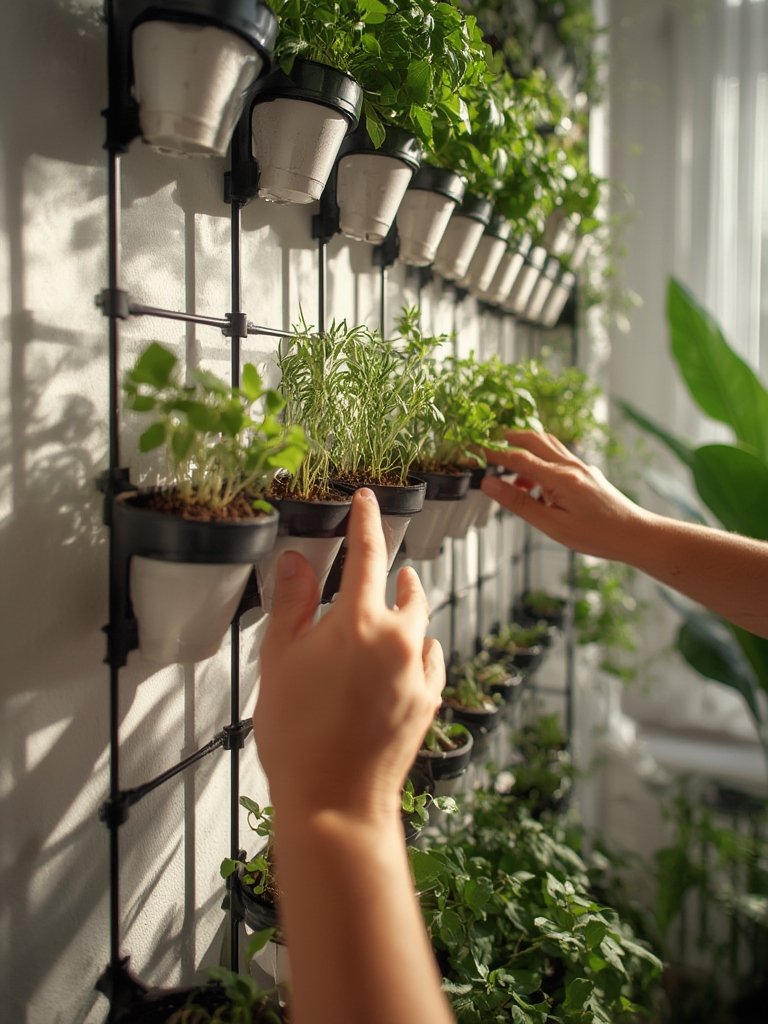
Professional installers can add built-in irrigation, advanced app integration, and larger scale “living walls”—but at a higher upfront cost. DIY kits, especially modular ones, take a few hours to install and are increasingly affordable for small-space dwellers. If you want the most flexibility and price transparency, modular kits are often the way to go.
For more energy efficient home tech tips, see our guide to smart home automation.
Advanced Analysis & Common Pitfalls: What You Need to Get Right
Before you invest, know that most vertical garden systems—especially hydroponic—promise “low maintenance” but require regular attention, troubleshooting, and occasionally, a lot of learning. Here’s what can go sideways in real apartments:
- Lighting Gaps: Most city dwellers overestimate available light. Plants near shaded windows often decline unless supported by artificial lights, ideally on timers.
- Over or Under-Watering: Both hydroponic and soil-based systems can suffer. Hydroponics are easier to automate but may leak or fail if neglected; soil setups dry out faster on heated walls and need frequent manual checks (leading to mold or wilting).
- Space Overload: Cramming too many plants in too little vertical space creates airflow and pest problems. Err on the side of fewer, healthier plants.
- Mess and Damage: Soil-based systems can spill, drip, and create gnat or mold risks—especially in humid urban apartments with poor ventilation.
- Overlooking Allergens: Few guides mention this, but pollen, mold spores, or even certain potting mediums can trigger sensitivities. Always choose hypoallergenic plants and use filtered water.
- Sustainability Shortcuts: The “efficiency” of some vertical garden kits masks the use of non-recyclable plastics or high energy-consumption LEDs. Look for certified recyclable materials and energy ratings.
- Cost Escalation: Tech-heavy kits can be expensive. DIY modular kits are more affordable but still not “cheap.” Hiring a pro adds cost but delivers more robust, custom installations.
| System Type | Start-Up Cost | Maintenance | Best For | Common Pitfalls |
|---|---|---|---|---|
| Hydroponic | High (LEDs, sensors, kits) | Low (if automated) | Herbs, greens, tech-lovers, minimal mess | Upfront learning, tech failures, leaks |
| Soil-based | Low to moderate | High (watering, soil refresh, pest checks) | Wider plant range, lower budget | Messy, mold/allergen risks, frequent care |
| Smart/Modular Kits | Moderate | Low (plug-and-play, minimal intervention) | Small apartment dwellers, renters | Tech reliance, limited plant size |
For those especially concerned with allergens or sustainability, go deeper than most competitor articles and read up on eco-friendly building materials for your installation—think recycled plastics, certified wood, and low-energy LEDs.
If you want to automate or connect your vertical garden to Alexa or Google Home, explore our sustainable smart home guide for practical tips on home-wide integration.
And if budget is a worry, finding the right kit—balancing cost, size, and features—is key. Kits have become less expensive as the market grows, but always double-check ongoing costs, especially for replacement pods or pro maintenance subscriptions. For affordable home upgrades that still deliver impact, see our budget decor guide.
Conclusion
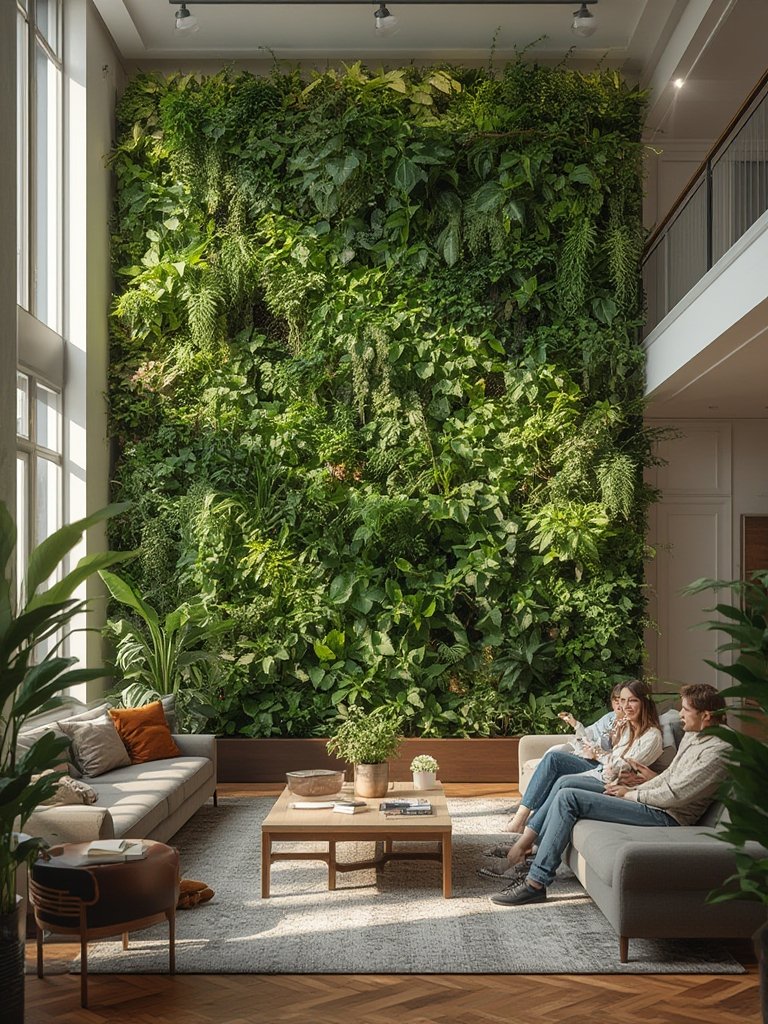
Indoor vertical gardens are more than Pinterest decor—they’re a practical, flexible solution for air purification, mental well-being, and modern living in tight urban spaces. From clean air and energy savings to artistic design, the upsides are real—if you choose your system wisely, automate care wherever possible, and stay realistic about cost and effort. The indoor vertical garden is here to stay, and with smart planning, it can transform even the smallest apartment for years to come.
Ready to create your own vertical oasis? Start small, automate where you can, and make sustainability a priority. Share your results and let your walls—and lungs—breathe easier!
FAQ
What is the best type of indoor vertical garden for beginners?
For most beginners, modular smart kits with built-in lighting and self-watering are easiest. They reduce manual care and are designed for small spaces. Hydroponic systems can be worthwhile if you want mess-free, fast growth, but expect a slightly steeper learning curve.
Can indoor vertical gardens help with air purification?
Yes. According to the EPA, indoor plants can remove up to 87% of air pollutants in just 24 hours. Vertical gardens increase this effect and also add humidity for extra comfort in dry apartments.
Is a hydroponic or soil-based setup better for apartments?
Hydroponic systems are preferred for most apartments because they’re less messy, more water-efficient, and easier to automate. Soil-based systems allow more plant choices but require frequent care and are more prone to pests and allergens.
How much does an indoor vertical garden cost?
Smart modular DIY kits range from modest to premium depending on features—think from under $100 for small sets to several hundred for large, automated units. Professional installations cost more but deliver bigger, custom walls with advanced automation.
What plants are best for allergy-sensitive homes?
Opt for hypoallergenic indoor plants like ferns, philodendrons, or spider plants. Avoid heavy-pollen and fragrant varieties, and always maintain good airflow to reduce mold risk.