

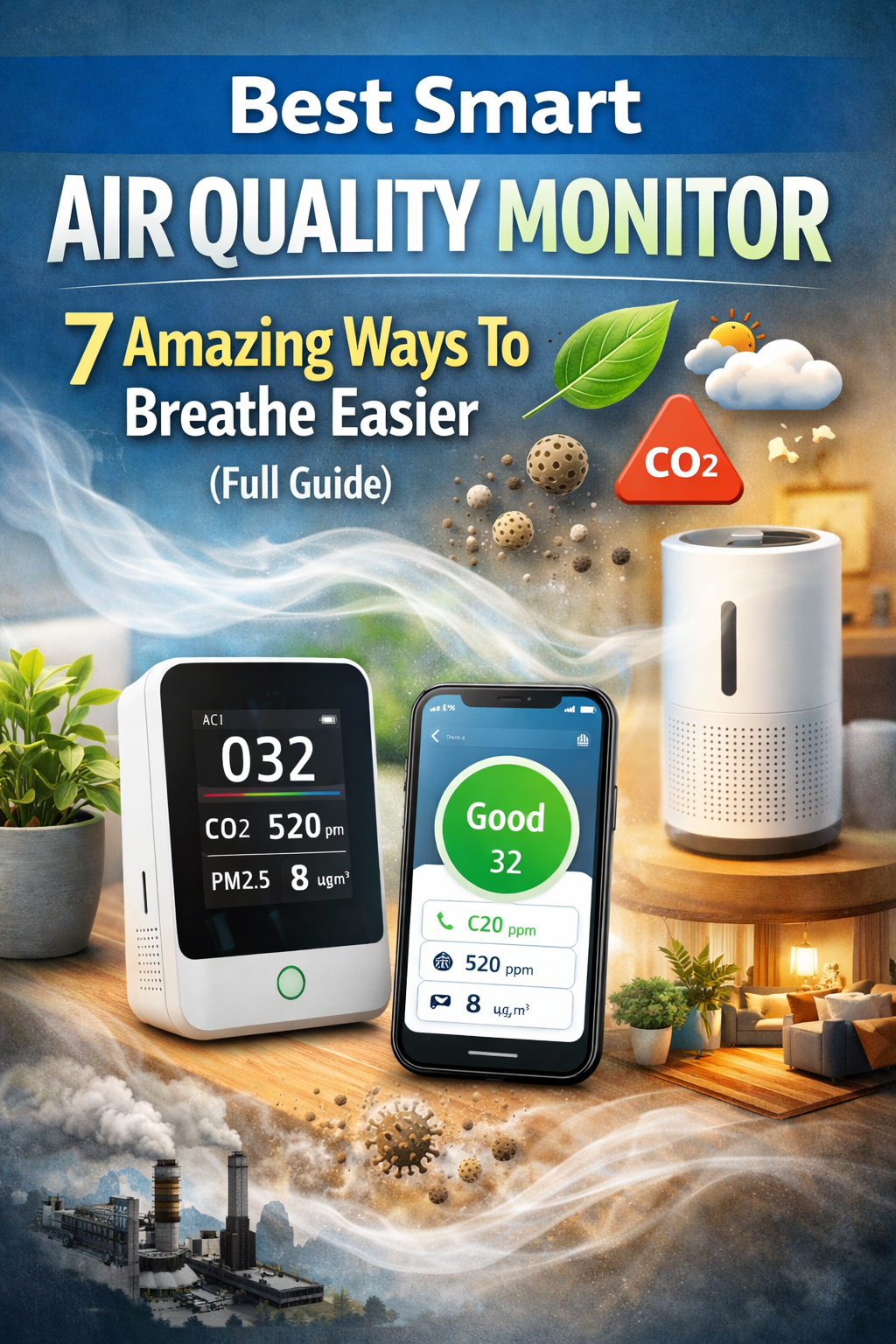
smart air quality monitor technology is rapidly reshaping how we protect our homes and families from invisible indoor pollution. With increased health concerns and regulatory attention, homeowners are turning to these intelligent devices for real-time insights and practical control over indoor air quality.
Key Takeaways
- The global smart air quality monitor market hit $4.2B in 2024, driven by health, smart home integration, and new standards.
- Modern monitors reliably track PM2.5, VOCs, CO2, with new models boosting energy efficiency and regulatory compliance.
- Many competitor articles overlook IoT ecosystem integration, energy efficiency, and standards like WELL/RESET Air.
- What Is a Smart Air Quality Monitor and Why Does It Matter?
- How to Choose and Set Up a Smart Air Quality Monitor: A Step-by-Step Guide
- Advanced Analysis: Pitfalls, Real Problems & Brand Comparison
- Conclusion: Should You Add a Smart Air Quality Monitor to Your Home?
- FAQ
What Is a Smart Air Quality Monitor and Why Does It Matter?
Smart air quality monitors are intelligent devices designed to continuously track indoor pollutants such as particulate matter (PM2.5), volatile organic compounds (VOCs), carbon dioxide, and other harmful particles that traditional methods often miss. With the market reaching $4.2 billion in 2024, these devices are more than just gadgets—they have become essential tools for modern, health-conscious households.
Unlike basic air sensors, a smart air quality monitor works seamlessly with smart home platforms, sending real-time alerts, automating ventilation, and optimizing indoor environments. This is a critical upgrade, whether you live in a high-traffic urban area, have family members with asthma, or want to achieve compliance with wellness standards such as WELL and RESET Air. The newest models, like the Bosch BME690, not only provide multi-pollutant detection but are also engineered for low energy use—helping you keep costs and your environmental footprint down.

How to Choose and Set Up a Smart Air Quality Monitor: A Step-by-Step Guide
-
Identify What Needs Monitoring
Common indoor pollutants include PM2.5/PM10, VOCs, CO2, carbon monoxide, and nitrogen dioxide. If you have children, allergy sufferers, or live near industrial traffic, prioritize monitors that detect these. Some systems, like the Airthings Wave Enhance, even focus on optimizing sleep quality via air analytics. -
Check for Key Features and Standards
Look for Wi-Fi connectivity, mobile app integration, compatibility with platforms like Alexa or Google Home, historical data tracking, and compliance with recognized standards (WELL, RESET Air). Monitors such as the Bosch BME690 offer up to 50% lower power consumption. -
Evaluate Placement and Installation
Place monitors at breathing height, away from windows and vents. Avoid kitchens or bathrooms unless humidity/ventilation is being measured. For best results, set up at least one monitor in each main living zone (bedroom, living room, workspace). -
Integrate with Your Smart Home/Automation
IoT-connected monitors can automate fans, HVAC, or air purifiers in response to pollution spikes. Consider pairing with systems like smart thermostat installation for dynamic, energy-efficient air management. -
Track, Analyze, and Act on Data
Set up app alerts for thresholds on each pollutant. Pay attention to both short-term spikes and long-term trends. Adjust cleaning routines, open windows, or run filtration based on your data insights.
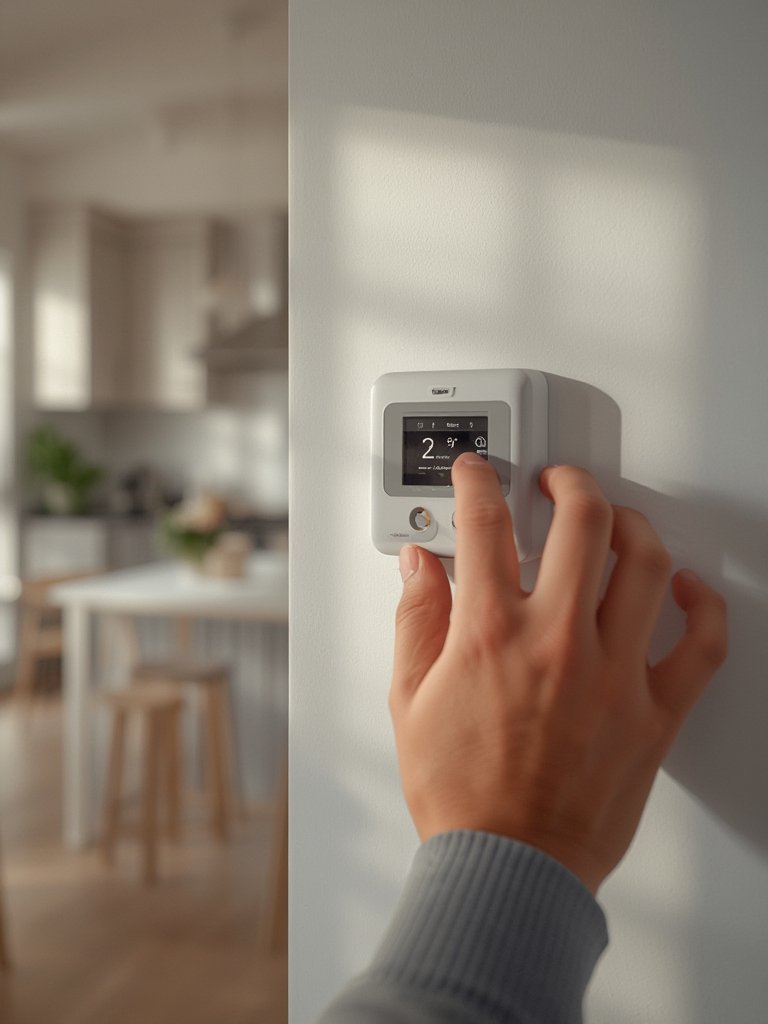
If you’re preparing for a home upgrade, coupling smart air monitoring with sustainable smart home planning maximizes both health and energy savings. Periodically review and update your monitoring strategy as seasonal and household changes occur. For those interested in renovation, check out kitchen renovation budgeting tips to ensure your ventilation matches your home’s latest footprint and layout.
Advanced Analysis: Pitfalls, Real Problems & Brand Comparison
Despite strong market growth, deploying a smart air quality monitor is not foolproof. Here’s what you realistically need to watch out for:
- Data Accuracy Varies by Pollutant and Device: No industry-wide standard guarantees accuracy for all pollutants. PM2.5 and VOCs are reliably monitored by most major brands, but inexpensive monitors often underperform, especially for gases like CO2 or NO2. In the US, OSHA and EPA compliance helps, but always check product documentation for specifics.
- Connectivity Issues: Dropped Wi-Fi connections or poor app design can result in lost data and missed alerts. IoT integration remains a leading cause of user frustration.
- Firmware/Support Lags: Lack of historical firmware or software updates means your device might not keep up with new standards or threats. Brand reputation matters—companies like Honeywell or Bosch invest more in software support, while cheaper entrants can go dark after 12 months.
- Hidden or Recurring Costs: Some monitors require paid subscriptions for advanced analytics or cloud storage. Be sure to confirm what features are included for free and avoid locked features that could make your device less useful over time.
- Lack of Clear Regulatory Labels: Aside from high-end and commercial models, many consumer-targeted monitors do not carry explicit EPA, UL, or CE certifications. Instead, look for compliance with WELL or RESET Air, especially if you’re seeking market-standard air quality improvement.
Practical comparison of key features and overlooked elements across leading brands:
| Brand | Core Pollutants Tracked | Smart Home Integration | Energy Efficiency | Standards/Certs | Extra Fees |
|---|---|---|---|---|---|
| Bosch BME690 | PM, VOCs, CO2, humidity, pressure | Yes (IoT, cloud platforms) | 50% lower power | WELL, RESET Air | None (at purchase) |
| Airthings Wave Enhance | PM2.5, VOCs, CO2, radon | Yes | Standard | No explicit certs | Cloud analytics (optional) |
| Honeywell Pro | PM, CO2, formaldehyde, NO2 | Enterprise/Building | High (pro/commercial) | EPA/OSHA | Support contracts |
| Entry-level Amazon/China | PM2.5, VOCs | Rare | Unknown | None/suspect | None, but less support |
For those upgrading their homes this season, pairing air monitoring with space saving shelving ideas can help reduce clutter, improving both airflow and maintenance access in modern living spaces.

Conclusion: Should You Add a Smart Air Quality Monitor to Your Home?
Indoor air pollution is a silent hazard, and a smart air quality monitor is no longer a luxury—it’s fast becoming an essential home tool. When chosen correctly, these devices provide actionable insights into your home’s invisible risks while integrating seamlessly with your existing smart home system. From high-accuracy multi-pollutant tracking to energy-efficient design and compliance with leading air wellness standards, the benefits far outweigh the minor pitfalls if you do your research.
Ready to take control of your air? Don’t wait until problems start—choose a smart air quality monitor tailored to your family’s needs and start breathing easier today.
FAQ
What pollutants does a smart air quality monitor detect?
Most modern monitors track PM2.5, PM10, VOCs, CO2, and sometimes gases like nitrogen dioxide and formaldehyde. Always check the device specs before purchase.
How accurate are smart air quality monitors?
Accuracy varies by model, brand, and pollutant. For basic PM2.5 and VOCs, most major brands offer reliable results. For CO2 and gases, look for devices from well-known manufacturers and those citing independent certification/standards.
Do smart air quality monitors work with smart home systems?
High-quality models offer integration with Alexa, Google Home, or other IoT platforms, letting you automate ventilation or receive real-time alerts. Always confirm compatibility on the product page.
Are there hidden or recurring costs?
Some brands require paid subscriptions for data analytics, extended cloud storage, or advanced alerts. Read the fine print and user reviews before buying.
How many monitors do I need in my home?
As a rule, install at least one monitor per major living zone—such as the living room, bedrooms, and any workspace. Homes with basement or multi-floor layouts may need additional units.
—