

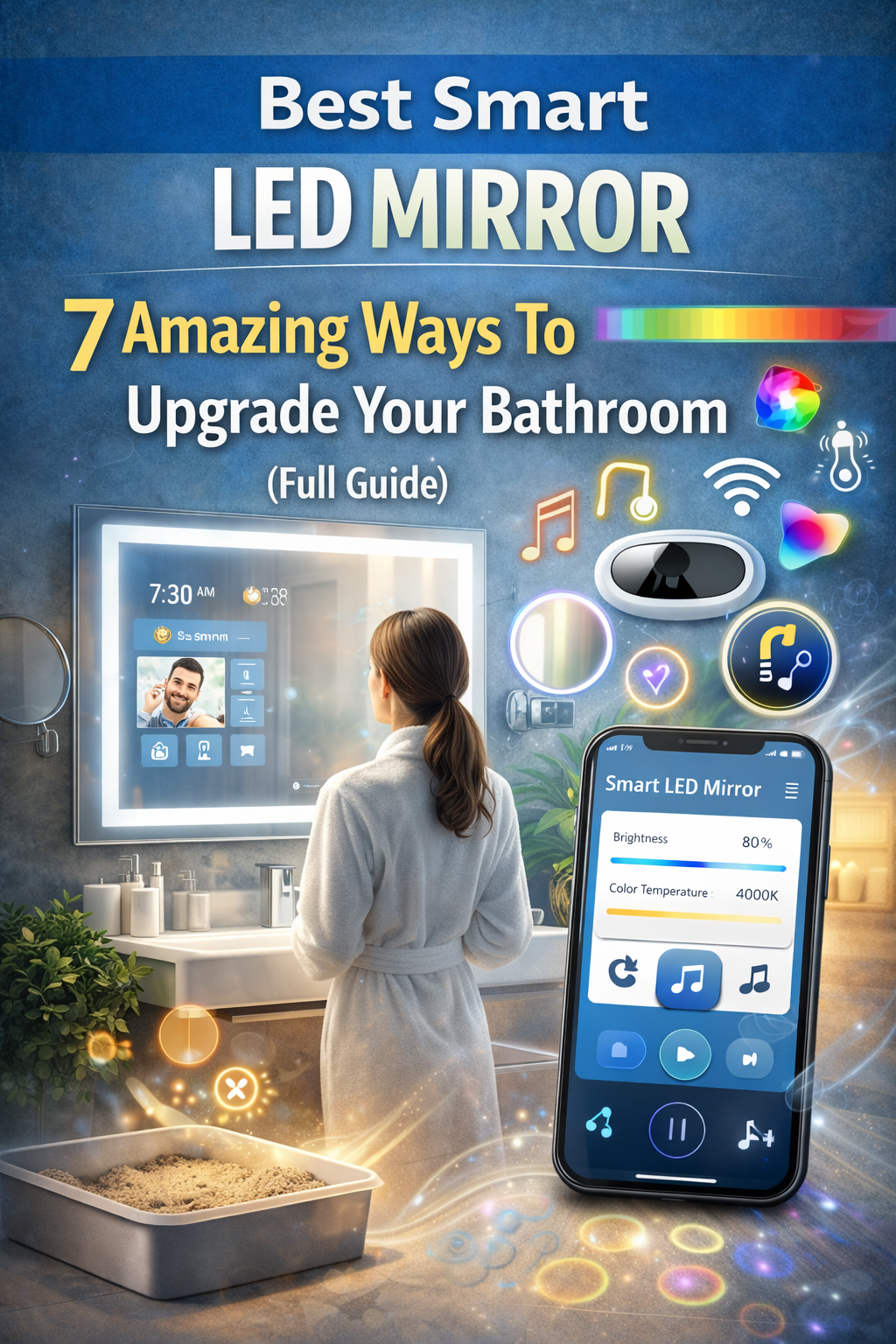
smart LED mirror technology is transforming bathrooms and living spaces in 2024, blending energy efficiency, sleek design, and practical smart features for next-level daily routines.
Key Takeaways
- The global smart LED mirror market is growing rapidly, fueled by demand for enhanced functionality and stylish upgrades in bathrooms and living spaces.
- Top features driving adoption include voice control, anti-fog, Bluetooth audio, and smart lighting adjustments, appealing to both homeowners and commercial properties.
- Hidden costs, installation complexity, and unclear specifications are important to consider before purchasing your first smart LED mirror.
- Smart LED Mirror: What They Are & Why They Matter
- How to Choose & Install a Smart LED Mirror: Step-by-Step Guide
- Advanced Analysis: Pitfalls, Limitations & What Competitors Never Tell You
- Conclusion
- Frequently Asked Questions
Smart LED Mirror: What They Are & Why They Matter
A smart LED mirror is a modern bathroom or vanity mirror that integrates lighting, technology, and often smart-home-connected features. Unlike traditional mirrors, these units enhance daily routines by combining high-lumen energy-efficient LEDs with functions like anti-fog, touch controls, Bluetooth speakers, voice assistants, and connectivity to your home’s ecosystem. They’re designed to make grooming, makeup, and even playing music or getting news/weather in your bathroom efficient and enjoyable.
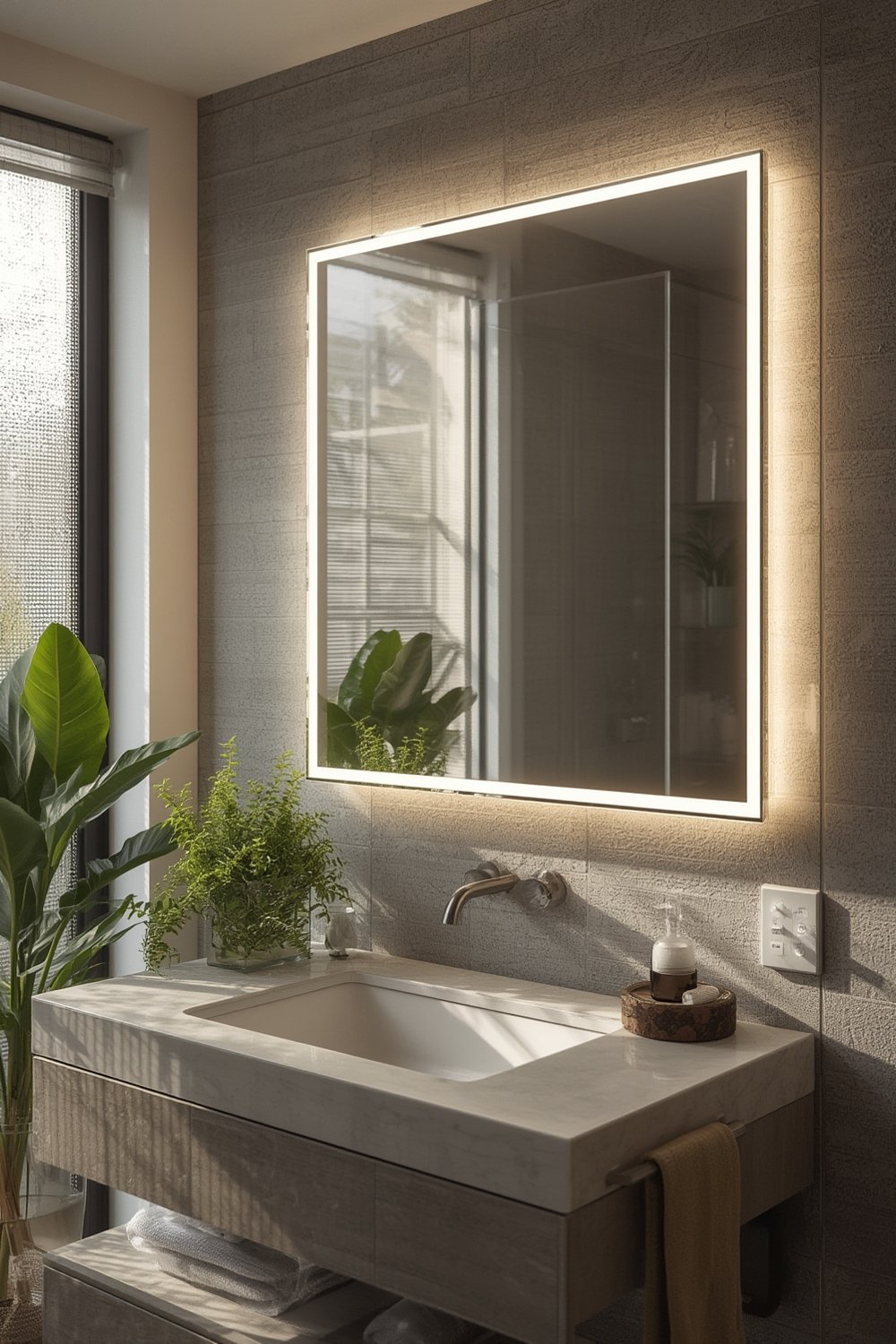
According to a recent market report, the global smart mirror market reached as much as $3.95 billion in 2024, with projections showing 9.8 to 19.82 percent compound growth into the next decade. This surge is due to rising demand for multi-functional, premium upgrades in both residential and hospitality spaces. LED compact models are especially popular for their portability and versatility, but full-size bath-and-vanity options are the favorite for homeowners wanting to blend aesthetics with technology.
Popular features driving the market include anti-fog, adjustable color temperature, voice control, and integration with smart home platforms. Many models also incorporate Bluetooth speakers and digital clocks, providing an all-in-one solution for modern lifestyles. Energy efficiency and longer LED lifespans offer ecological and cost-saving advantages over traditional bulbs. Hospitality, real estate, and high-end residential markets are leading the adoption of smart LED mirrors for their premium, transformative appeal. [IMARC Report]
How to Choose & Install a Smart LED Mirror: Step-by-Step Guide
Buying and setting up a smart LED mirror takes more consideration than grabbing a basic bathroom mirror. Follow these practical steps to select the right model and ensure a smooth installation.
- Assess Your Space and Needs
- Sketch out where the mirror will go—pay attention to outlet locations, possible humidity, and direct water exposure.
- Consider whether you want simple LED lighting, or advanced features like built-in clocks, anti-fogging, and app controls.
- Compare Product Features
- Focus on lumens/brightness for clear, usable reflection.
- Check if anti-fog pads, touch controls, and dimming/color temperature modes are standard or optional.
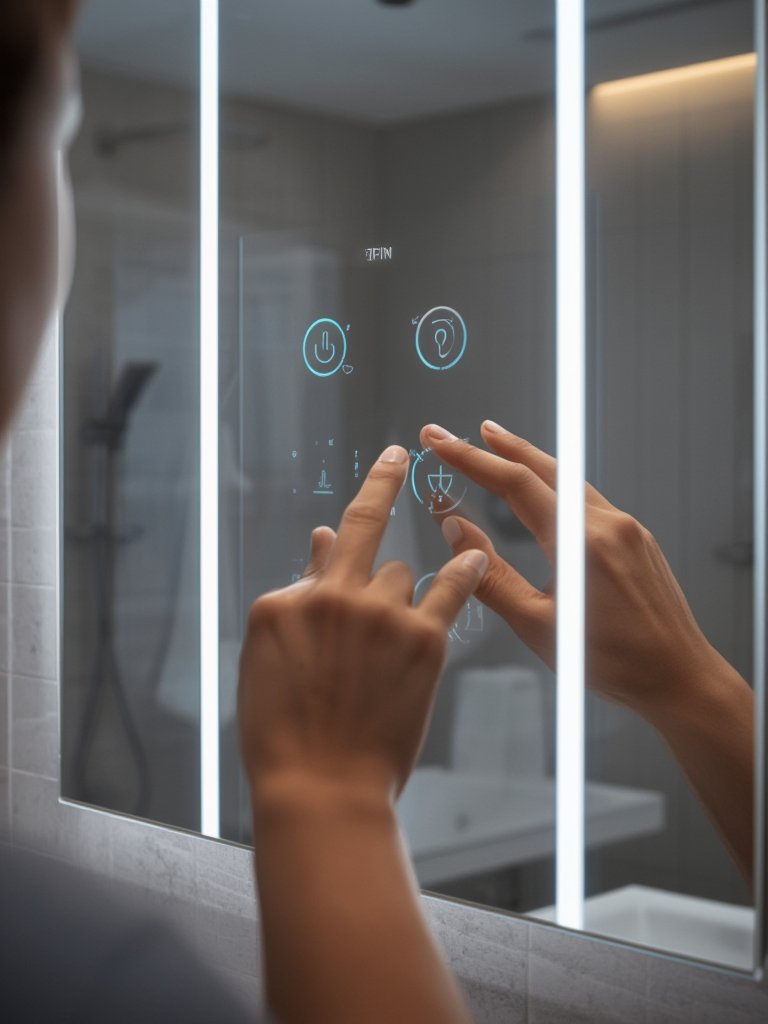
- Bluetooth speakers let you listen to music, podcasts, or news hands-free—popular in busy homes.
- Voice control and Alexa/Google Home compatibility can future-proof your space.
- Read User Reviews and Study Brand Reputation
- Look for real-world feedback about installation headaches, durability, tech glitches, or firmware issues. User-generated reviews often fill in what product listings omit.
- Check warranty details and return policies. Reputable brands back their tech with at least 1 year of coverage.
- Plan Installation
- Some models are DIY-friendly with plug-in cords, while others may need hardwiring (professional help recommended).
- Be prepared for possible wall drilling, mounting bracket installation, and precise positioning. Use a level and check for studs when mounting heavier units.
- If upgrading for energy savings, consider pairing your mirror with smart thermostat installation for maximum effect.
- Configure Smart Features
- Pair the mirror via Bluetooth or WiFi as needed. Follow app setup steps for voice/all-in-one control.
- Test anti-fog systems and lighting presets, and set smart timers or motion sensors if available.
- Update firmware and register your product to receive ongoing support or feature improvements.
- Maintenance and Cleaning
- Use soft, non-abrasive cloths and avoid harsh chemical cleaners to protect both the glass and tech.
- Check for firmware updates periodically, as these can resolve bugs or add capabilities.
For added home upgrades, you might also explore space saving shelving ideas or invest in a smart home automation system for integrated living.
Always keep the installation manual handy and document your mirror’s serial number or service code in case you need support down the line.
Advanced Analysis: Pitfalls, Limitations & What Competitors Never Tell You
Smart LED mirrors promise futuristic convenience, but not every product—or installation—goes smoothly. Here’s what the fine print and most competing guides leave out.
| Issue | Potential Problem | Real-World Impact | Mitigation/Advice |
|---|---|---|---|
| Installation | Some models require hardwiring which could void warranties or be unsafe if not done correctly. | Unexpected electrician costs, or risk of damage/fire. | Choose plug-in models for DIY; otherwise, hire a licensed pro. Always confirm building codes if you rent. |
| Anti-Fog Feature | No standardized specs for anti-fog performance; may only partially clear or degrade over time. | Disappointing performance or need for frequent maintenance. | Request detailed specs and test in-store if possible. Read long-term user reviews. |
| Connectivity | Inconsistent WiFi/Bluetooth integration and lack of app support. | Features may break after updates; limited functionality over time. | Stick to brands with active software support and check update history. |
| Hidden Costs | Premium mirrors may have high initial cost, plus potential fees for professional installation or extended warranty. | Budget overrun; long-term value not as high as expected. | Request itemized cost breakdowns and factor in all fees at purchase. |
| Privacy & Security | Lack of transparency about data collection via Bluetooth/WiFi-enabled features. | Possible privacy risks or unwanted data sharing. | Opt for models with clear privacy policies, or choose non-connected versions if this is a concern. |
| Durability & Failures | No reliable data on LED/touchscreen lifespan or most common points of failure. | Unexpected repairs or device failure soon after warranty expires. | Invest in well-reviewed brands with proven warranties. Consider models with replaceable LED modules. |
Despite their appeal, smart LED mirrors can carry higher maintenance demands or setup complications than standard bathroom mirrors. Overlooking long-term costs or technical support options can mean expensive lessons down the line. If energy efficiency is a priority, remember to pair your choice with eco-friendly building materials for maximum sustainability.
Some homeowners also report software issues after manufacturer app updates, lost smart functions, or glitches in voice/smart home integrations. As with any connected device, there are also possible privacy vulnerabilities—especially if the device does not receive security updates. If you’re cautious about smart tech, a premium non-connected LED mirror is still a strong, stylish upgrade.
Want to spread your renovation budget? Try our kitchen renovation budgeting tips for expert advice.
Conclusion
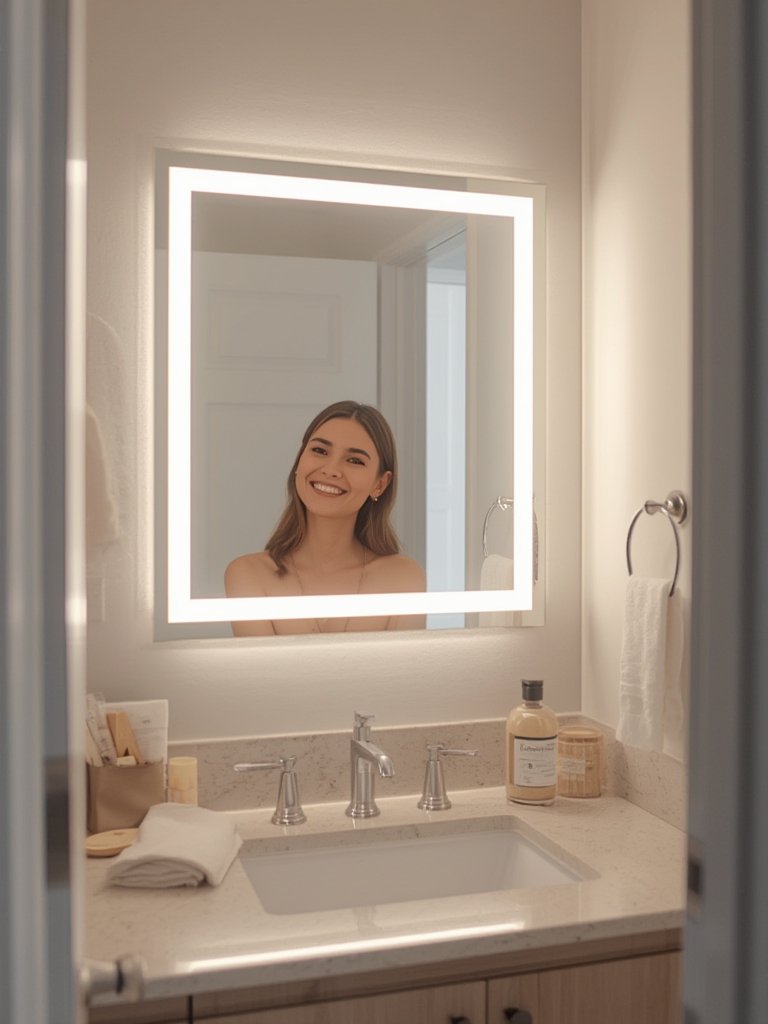
Smart LED mirrors bring style, convenience, and tech-savvy features to the modern home, driving strong market growth as more people prioritize comfort and efficiency. However, before buying a smart LED mirror, consider installation needs, total costs, data privacy, and how reliable the chosen brand truly is. Prioritize proven features over hype for the smartest investment in your home.
If you’re ready to upgrade your daily routine and give your bathroom a modern edge, shop carefully and make your smart LED mirror purchase with confidence. Explore more transformative home ideas like home Christmas decor inspiration or join the smart home movement this season.
Frequently Asked Questions
What makes a smart LED mirror “smart”?
Smart LED mirrors combine standard reflection with technology features like LED lighting, touch controls, voice assistants, Bluetooth speakers, and sometimes app connectivity. These additions enhance daily tasks and fuse style with practical upgrades that traditional mirrors cannot match.
How long do smart LED mirrors typically last?
Most quality LED mirrors are built for 30,000–50,000 hours of use, or about 10–15 years, depending on usage. However, electronic features (touch pads, connectivity) may fail earlier if the brand does not provide ongoing software or replacement part support.
Are smart LED mirrors hard to install?
It depends on the model. Many plug directly into outlets and can be installed like a standard mirror. Others require hardwiring and may need professional installation. Always check included instructions and your home’s electrical layout before purchase.
What are the real hidden costs with smart LED mirrors?
Hidden costs may include professional installation, extended warranties, potential app/service fees, and replacement parts outside the standard warranty period. Budget for up-front and possible ongoing expenses before making your choice.
Is there a privacy risk with Bluetooth or WiFi-enabled smart mirrors?
There can be. Some mirrors collect usage or device data, and if security protocols are not robust, there is a risk of this data being accessed by third parties. Choose models from reputable brands with clear privacy policies or opt for non-connected models for extra peace of mind.