

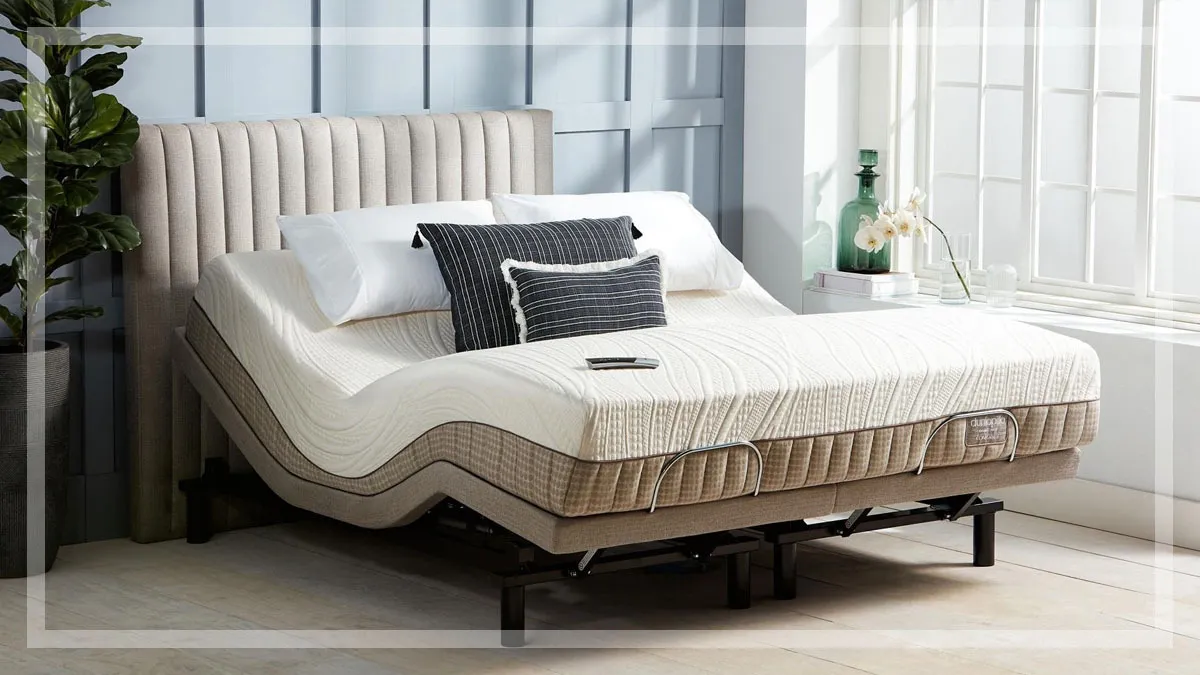
Mattresses for adjustable beds are rapidly changing how people achieve comfortable, flexible sleep at home—yet, not every mattress is designed to work well on these frames. If you want an adjustable bed you’ll actually love sleeping on, you need to know what sets mattress options apart, what mistakes are easy to make, and which steps lead to the best long-term rest. Below, you’ll find everything essential for choosing, using, and maintaining an adjustable-friendly mattress—complete with advanced tips, recent trends, realistic warnings, and actionable next steps.
Key Takeaways
- The adjustable bed mattress market is now worth over $8 billion, driven by demand for ergonomic sleep and wellness—especially in North America and the home market.
- No single mattress type is perfect: memory foam, latex, hybrid, and innerspring each have tradeoffs when paired with adjustable frames.
- Following expert steps to select, set up, and maintain your adjustable bed mattress reduces risk of discomfort and hassle.
- What Makes Mattresses for Adjustable Beds Different?
- How to Choose the Best Mattress for Your Adjustable Bed: Step-by-Step Guide
- Advanced Analysis & Common Pitfalls
- Conclusion
- FAQ: Mattresses for Adjustable Beds
What Makes Mattresses for Adjustable Beds Different?
Mattresses for adjustable beds must bend and flex smoothly with the articulation of your bed base. Unlike traditional mattresses, they need enhanced flexibility, durability, and materials that won’t bunch, crack, or rapidly wear out from repeated bending. Market research shows demand is intensifying for ergonomic sleep, partly due to back pain, poor sleep quality, and an aging population. As a result, the global adjustable beds and mattress sector reached over $8.4 billion in 2024 and is climbing quickly.

For most people, adjustable-friendly mattresses are essential for wellness: they support better sleep posture, relieve pressure, and can help with circulation or snoring. However, choosing the wrong mattress—or the wrong type—can easily result in discomfort, frequent sagging, and even compatibility failures that void warranties. Making a smart, future-proof choice is about knowing these details in advance.
Consumer interest in adjustable bed bases continues to rise, with residential use accounting for 68.3% of bed frames sales in 2024 [source]. Queen sizes lead the way, capturing 40% of the market (see breakdown).
How to Choose the Best Mattress for Adjustable Bed: Step-by-Step Guide
- Check the Compatibility of Your Mattresses for adjustable beds.
- Many mattress types claim compatibility, but check the manufacturer’s specification first. Ask: is the mattress designed for repeated bending? Can it be used on zero-clearance, wall-hugging, or split bases?
- Decide on Mattress Material.
- Memory Foam & Latex: Most recommended due to flexibility and minimal motion transfer.
- Hybrid: Choose hybrids only if the coil system is pocketed and not too rigid—a poor choice sags or rides up on bends.
- Innerspring: Usually not compatible, unless explicitly labeled for adjustable use.
- Pick the Correct Size and Thickness.
- Queen adjustable beds are dominant; always follow your base’s sizing. For thickness, 10–12 inches is usually optimal—less may lack support, more may reduce flexibility.
- Evaluate Edge Support and Cover Quality.
- Flexible mattress covers and reinforced edges prevent bunching or tearing, especially on high-movement bases.
- Review Warranty.
- Only choose mattresses with warranties that explicitly allow use on adjustable beds; improper use may void coverage.
- Plan Delivery and Setup.
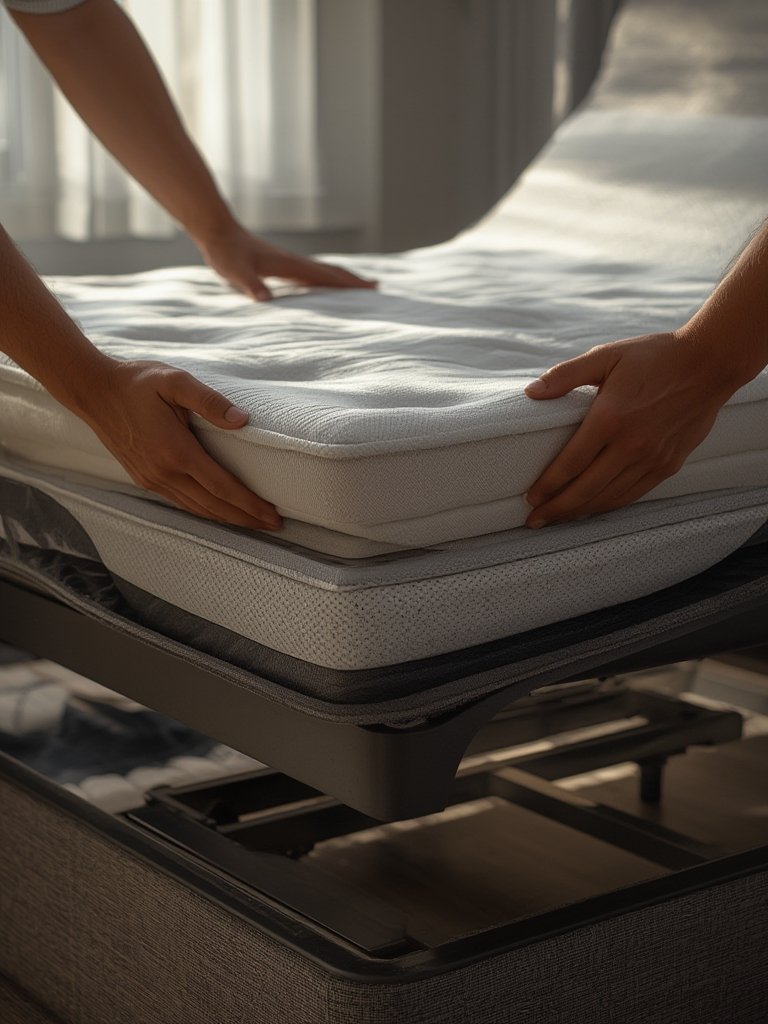
- Mattresses for adjustable beds tend to be heavier and bulkier. Always check if in-home setup or white glove services are offered, especially for split-king or large queen models.
- Test the Mattress and Adjust Base Settings.
- After setup, spend a full night adjusting angles: check comfort, support, and look for shifting or bunching.
For more ways to optimize your bedroom—like matching your bedroom furniture set or choosing space-saving shelving to pair with your adjustable setup—see our comprehensive guides.
Advanced Analysis & Common Pitfalls
While adjustable beds are surging in popularity, market research and real-world use highlight recurring problems and reasons for buyer regret:
- Mismatched Mattress Types – Most durability and comfort issues arise when an ordinary (non-flexible) mattress is placed on an adjustable frame. You risk voiding the warranty and causing premature sagging or bunching.
- Thickness Miscalculations – Too-thick mattresses (>12″) may restrict movement, while too-thin models feel unsupportive. Lack of specific manufacturer recommendations can make this trial-and-error.
- Poor Delivery or Complex Setup – Bulky split-king or California king mattresses for adjustable beds can be hard to move, require extra space, and sometimes damage stairs, walls, or the mattress itself during installation.
- Warranty Voided from Improper Use – Many users misunderstand warranty limits; using an unapproved base or not following care guidelines often leads to denied claims.
- Absence of Real User Feedback – Despite the booming market, verifiable complaints or long-term negative reviews are rare online, making risks harder to anticipate. This can mean new users repeat old mistakes.
- Lack of Price Transparency – No up-to-date pricing data was found for 2024. To avoid overpaying, compare similar adjustable-certified models in your region (and watch for off-season deals).
| Mattress Type | Flexibility with Adjustable Beds | Pros | Cons |
|---|---|---|---|
| Memory Foam | Excellent | Flexible, quiet, conforms well | Can trap heat, quality varies |
| Latex | Excellent | Natural, breathable, resilient | Heavy, more expensive |
| Hybrid | Good/Fair | Some offer great support | Coil layer may reduce flexibility |
| Innerspring | Poor | Familiar bounce | Often not recommended for adjustable frames |

Want to explore bedding and decor that makes your space feel complete? Browse creative ideas in our modern home Christmas decor guide or discover eco-friendly home updates that mesh beautifully with your new adjustable bed setup.
Conclusion
Choosing the right mattresses for adjustable beds requires more than just selecting the most popular model or brand. Pay close attention to compatibility, mattress type, warranty terms, and practical setup considerations—these steps make the difference between daily comfort and years of frustration. Take the time to research, ask questions, and plan thoughtfully. Ready to improve your sleep and your space? Start by comparing adjustable-ready mattresses today and discover the comfort difference for yourself.
FAQ: Mattresses for Adjustable Beds
Do I need a special mattress for an adjustable bed?
Yes. A mattress for an adjustable bed must be flexible enough to move with the base without damage or loss of support. Ordinary innerspring or rigid mattresses can void your warranty or wear out much faster.
How thick should a mattress for an adjustable bed be?
Most experts recommend between 10 to 12 inches for the ideal blend of flexibility and support. Thicker mattresses may not bend well and thinner ones might not feel as comfortable.
Which mattress type is best for an adjustable bed?
Memory foam and latex are top choices because of their excellent flexibility and pressure relief. Hybrids can also work if they use flexible coil systems. Traditional innerspring models usually are a poor fit.
Are adjustable bed mattresses more expensive?
Price depends on materials, features, and brand. Adjustable-certified mattresses may cost more than standard options, especially with added features like zoned support or organic materials.
Can I use my old mattress on a new adjustable bed?
Unless the mattress is specifically designed for adjustable use, it’s risky. Using incompatible mattresses can cause premature sagging, discomfort, and may void any manufacturer warranties.