

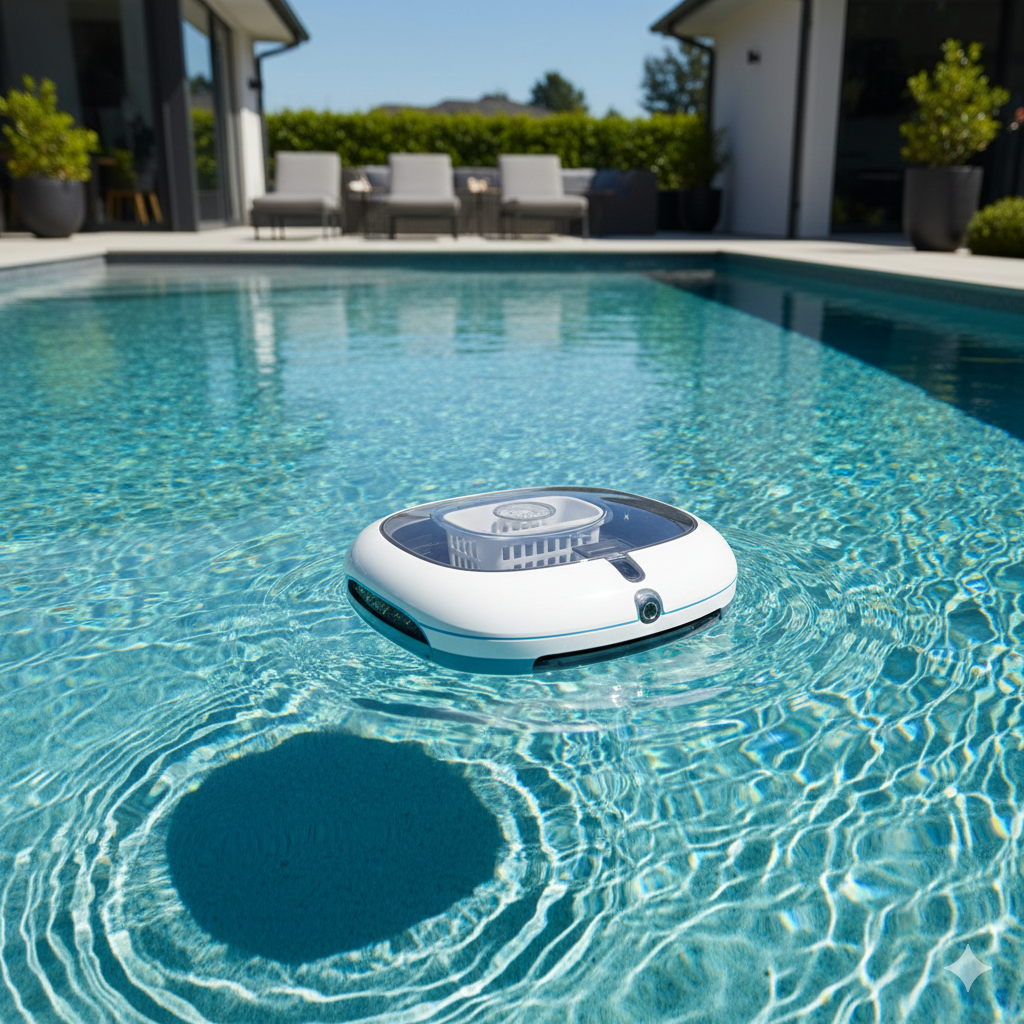
Robotic pool skimmer technology has transformed pool maintenance, promising hands-off cleaning and sparkling water with less hassle. But is the hype justified for homeowners entering 2025? Here’s what’s real—backed by data, directness, and easy-to-follow steps for anyone considering one of these smart gadgets.
Key Takeaways
- robotic pool skimmers are surging in popularity, especially in North America, due to high residential pool ownership and smart home integration.
- Recent advancements include AI, smart sensors, solar charging, and app control but user complaints and direct performance comparisons remain underreported.
- Most models target residential pools—look for compatibility, smart features, and realistic expectations about performance and maintenance.
- The Core Concept: What Are Robotic Pool Skimmers and Why Are They Growing So Fast?
- Step-by-Step Guide: Choosing, Setting Up, and Maximizing Your Robotic Pool Skimmer
- Advanced Analysis & Common Pitfalls: What Isn’t in Most Reviews
- Conclusion: Are Robotic Pool Skimmers Worth It?
- FAQ: Robotic Pool Skimmer Essentials for 2025
The Core Concept: What Are Robotic Pool Skimmers and Why Are They Growing So Fast?
Robotic pool skimmers are automated, floating devices designed to remove leaves, bugs, and debris from the surface of your pool. They use sensor-driven navigation, some employing AI pathing, to optimize cleaning routes and avoid obstacles. Operating independently from your pool’s pump or filter system, many models now feature app-based controls, smart scheduling, and even solar charging for energy savings.
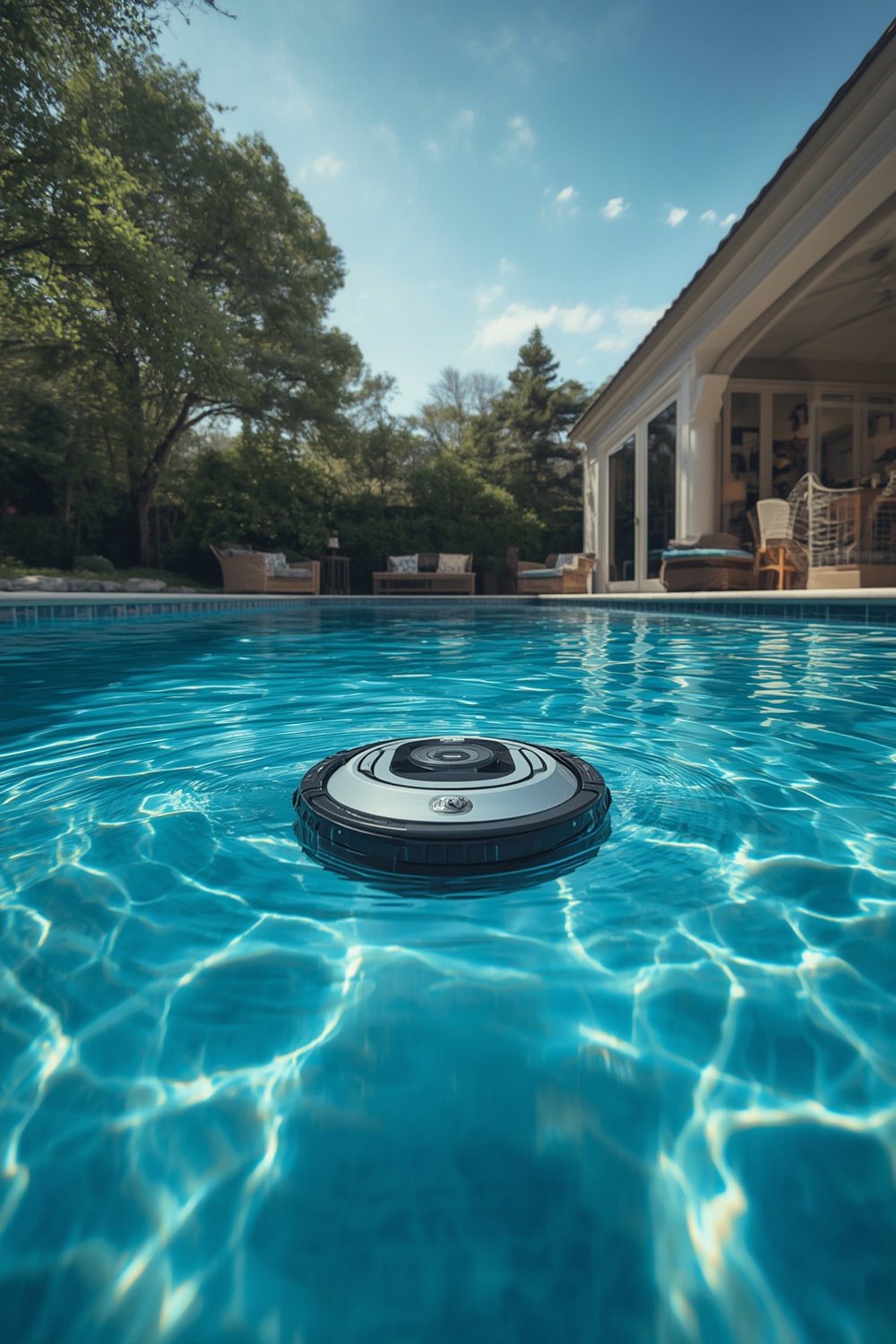
This hands-off approach is fueling explosive growth. The global robotic pool skimmer market hit $1.25 billion in 2024, with projections of over $9.5 billion by 2034, reflecting a robust 22.6% CAGR. Over 72% of sales are driven by the residential segment, particularly in North America, which controls over 40% of the global market (source).
Adoption is spurred by pool owners seeking convenience and cleaner pools with less manual effort. More than half of buyers now prioritize smart features, while solar-powered options make up over one third of new skimmer models. If you are interested in more smart home integrations, check out our smart thermostat installation guide.
Step-by-Step Guide: Choosing, Setting Up, and Maximizing Your Robotic Pool Skimmer
-
Assess Your Pool Type and Size:
Most robotic pool skimmers work best with standard residential, in-ground, or above-ground pools up to approximately 20,000 gallons. Unusual pool shapes or tight corners may challenge navigation. -
Identify Must-Have Features:
Look for sensor navigation, AI pathing, solar charging, and mobile app support. Bonus: models that support scheduled cleaning or remote operation can help maintain a spotless pool with minimal effort. -
Budget Realistically:
Prices widely vary and may range from $200–$1000 for consumer models. Expect to pay more for robust solar, large batteries, or advanced navigation. -
Installation:
Most units require minimal setup—just charge, assemble, and place in the water. Use the manufacturer’s app to customize schedules or check battery status if available. -
Ongoing Maintenance:
Rinse debris baskets weekly, inspect rotors, and charge or position solar panels as needed. Some parts may require seasonal replacement.

For inspiration on clever home upgrades beyond the pool, see our recommendations for space saving shelving ideas or our eco-friendly building materials guide for sustainable living tips.
Advanced Analysis & Common Pitfalls: What Isn’t in Most Reviews
Despite their promise, robotic pool skimmers are not flawless. Key issues and gaps in leading articles include:
- Lack of User Reviews: There’s a notable absence of real-world complaints or long-term performance data from actual buyers in 2023-2024. Most information focuses on technical features, not satisfaction or reliability.
- No Direct Model Comparisons: Detailed side-by-side breakdowns by cleaning performance, battery duration, or app convenience are rare. Even top models with similar price tags can differ dramatically in how well they navigate, how long they last between charges, and debris collection capacity.
- Compatibility Overlooked: Pool type and size compatibility is discussed in passing. Irregular shapes, very large pools, heavy foliage, or non-standard surfaces might not yield consistent results.
New technologies help—sensor-based navigation and AI have improved coverage (source), and 35% of new models offer solar charging for longer runtime—but “smart” features alone may not guarantee spotless results or set-and-forget maintenance.
| Feature | Typical Benefit | Common Pitfall / Limitation |
|---|---|---|
| App Connectivity | Remote scheduling, status updates | May disconnect if WiFi unreliable |
| Solar Charging | Energy savings, longer runtime | Slower charging on cloudy days; not always sufficient for large debris loads |
| Sensor Navigation | Avoids obstacles, optimizes coverage | Sensors get dirty easily, leading to missed spots |
| Battery Life | Runs multiple cleaning cycles between charges | Battery performance may degrade after one or two seasons |
| Debris Collection Basket | Reduces manual skimming, captures visible leaf litter | May need frequent emptying during pollen or leaf drops |
Interested in more on seasonal home upgrades or want to maximize efficiency year-round? Explore our kitchen renovation budgeting tips or dive into lawn leveling hacks for further home value boosts.
Conclusion: Are Robotic Pool Skimmers Worth It?
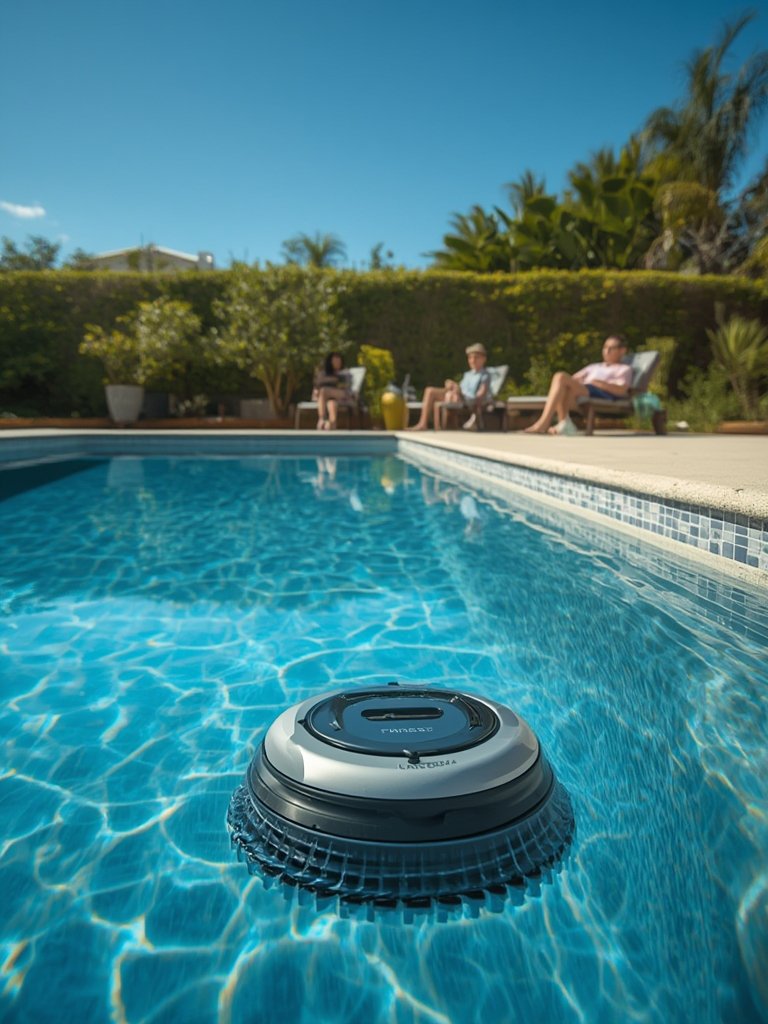
The evidence is clear: robotic pool skimmers are growing in adoption, especially in North America, and technical capabilities are improving fast. They offer substantial hands-off value for residential pool owners seeking smarter, less tedious maintenance. However, buyers should expect some trial and error with setup, recurring upkeep, and a lack of objective, verified comparisons when choosing between brands.
If you’re ready for a more convenient pool season, considering a robotic pool skimmer could make weekly cleaning easier and your water consistently cleaner. Compare features carefully, keep an eye on real-world feedback, and don’t skip routine maintenance for the best experience. Ready to upgrade your pool? Start your comparison now and transform your upkeep this year.
FAQ: Robotic Pool Skimmer Essentials for 2025
Do robotic pool skimmers work in all pool types?
Most models are optimized for standard residential pools, both in-ground and above-ground. Irregularly shaped pools or those over 20,000 gallons may require special consideration or a model with a larger battery and enhanced navigation.
How often should I empty the debris basket?
During high debris or pollen seasons, empty the basket once daily. For normal use, 2–3 times per week is usually enough, but always check for overflows to prevent clogs.
Can I leave my robotic pool skimmer in the pool all the time?
Many units are designed for continuous floating operation but always follow the manufacturer’s recommendations. Remove during storms, winterization, or long periods of inactivity to prolong battery and sensor life.
Do solar-powered models really reduce energy costs?
Yes, solar charging can noticeably reduce electricity use compared to plug-in models. However, effectiveness depends on sunlight exposure, so results may vary in shaded or cloudy environments.
Are there ongoing maintenance costs?
Minimal maintenance includes cleaning baskets, inspecting sensors, and occasionally replacing small wearable parts. Check your model’s manual for specifics and warranty coverage.