

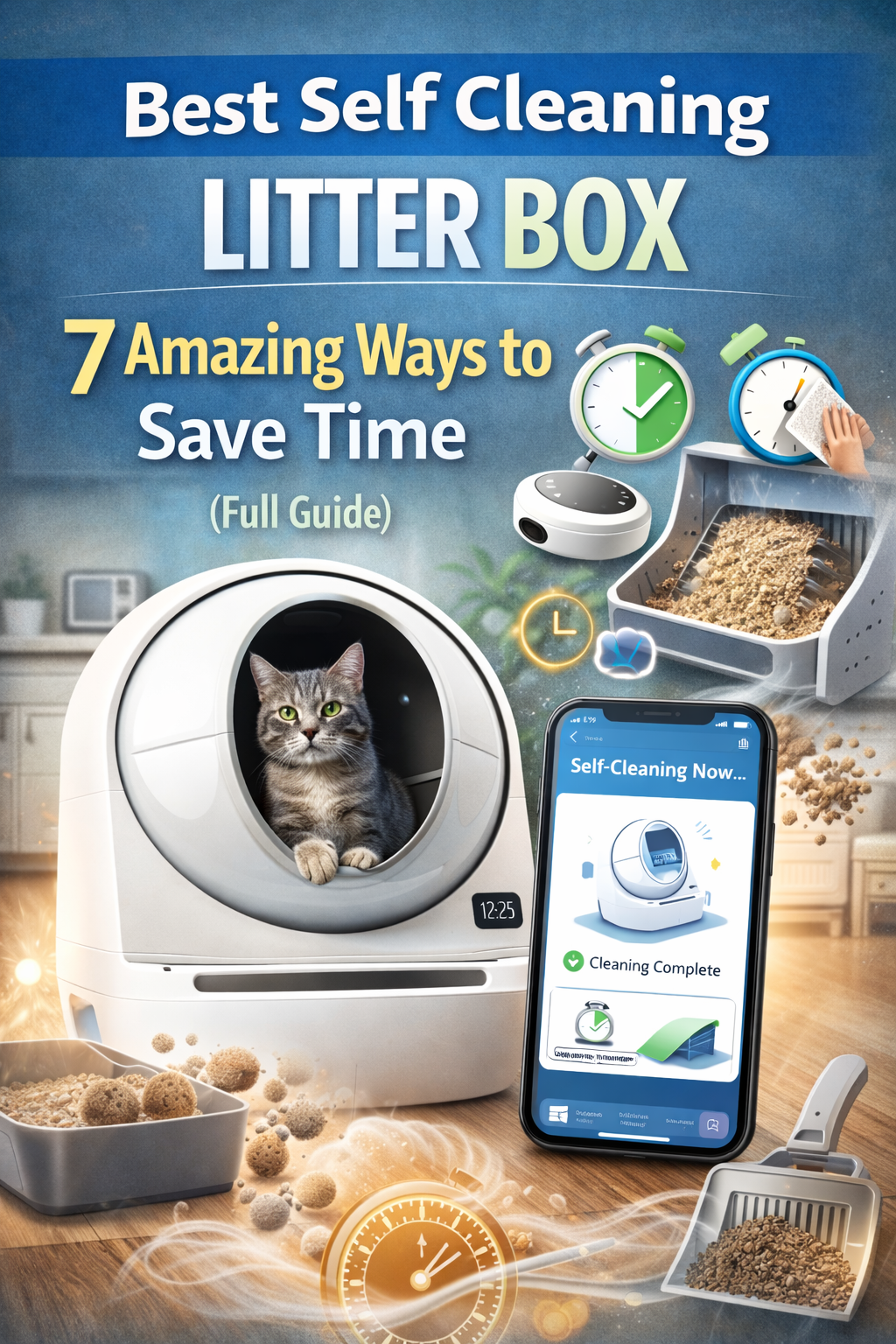
self cleaning litter box solutions are changing the daily routine for cat owners, promising hands-free cat hygiene, less scooping, and a cleaner home. But with rapid market growth and smart tech features everywhere, is this convenience worth the real costs and effort? Here’s what you actually need to know for 2024.
Key Takeaways
- The self cleaning litter box market hit over $600 million in 2024 and continues double-digit annual growth, driven by busy lifestyles and multi-cat households.
- Actual hands-off time is real, but setup and ongoing costs (including supplies) can catch owners by surprise.
- No long-term safety issues are reported, but most negative feedback centers on maintenance, sensor reliability, and odor control—not on cat health.
- The Core Concept: What Is a Self Cleaning Litter Box and Why Use One?
- Step-by-Step Guide: Choosing and Using a Self Cleaning Litter Box
- Advanced Analysis & Common Pitfalls: What to Expect (and What Can Go Wrong)
- Conclusion: Should You Get a Self Cleaning Litter Box in 2024?
- FAQ
The Core Concept: What Is a Self Cleaning Litter Box and Why Use One?
A self cleaning litter box is a device designed to automate waste removal from a cat’s litter tray using sensors and motorized cleaning mechanisms. With demand surging, top models now include app controls, automatic odor control, and multi-cat sensors.

The biggest reason cat owners switch? Less daily maintenance, especially in multi-cat homes or busy schedules. Recent data shows North America leads with a $245 million market share, trailed by Europe and Asia Pacific. Growth is projected at over 6 percent annually through 2031, reflecting skyrocketing interest among pet owners seeking convenience in urban lifestyles. (source, source)
With low entry prices and a range of smart features, automatic litter boxes are now accessible for most households. However, it’s not just about dumping the cat box forever—you still need to consider setup, maintenance, and long-term operating costs. If you’re interested in optimizing comfort for your entire home, also explore our detailed tips on space saving shelving ideas or see the latest in compact washer dryer solutions for similar home upgrades.
Step-by-Step Guide: Choosing and Using a Self Cleaning Litter Box
Ready to switch from regular scooping? Here’s how to make the process smooth and avoid the most common headaches.
- Assess Your Needs: Consider the number of cats, available space, and whether you need app controls. If your household is already tech-savvy (check our smart home guide), look for Wi-Fi-enabled features.
- Check Compatibility & Size: Measure the spot where you’ll set up the litter box. Leading models vary in footprint and entry height—crucial for older cats or kittens.
- Read the Manual & Prep the Area: Clean the spot thoroughly, ensuring easy access to power. Most units require a nearby outlet and stable placement to function safely.
- Choose Litter Carefully: Many automatic boxes are picky about litter type (clumping, non-clumping, or crystal). Try to use what’s recommended by your chosen brand to avoid jams or sensor errors.
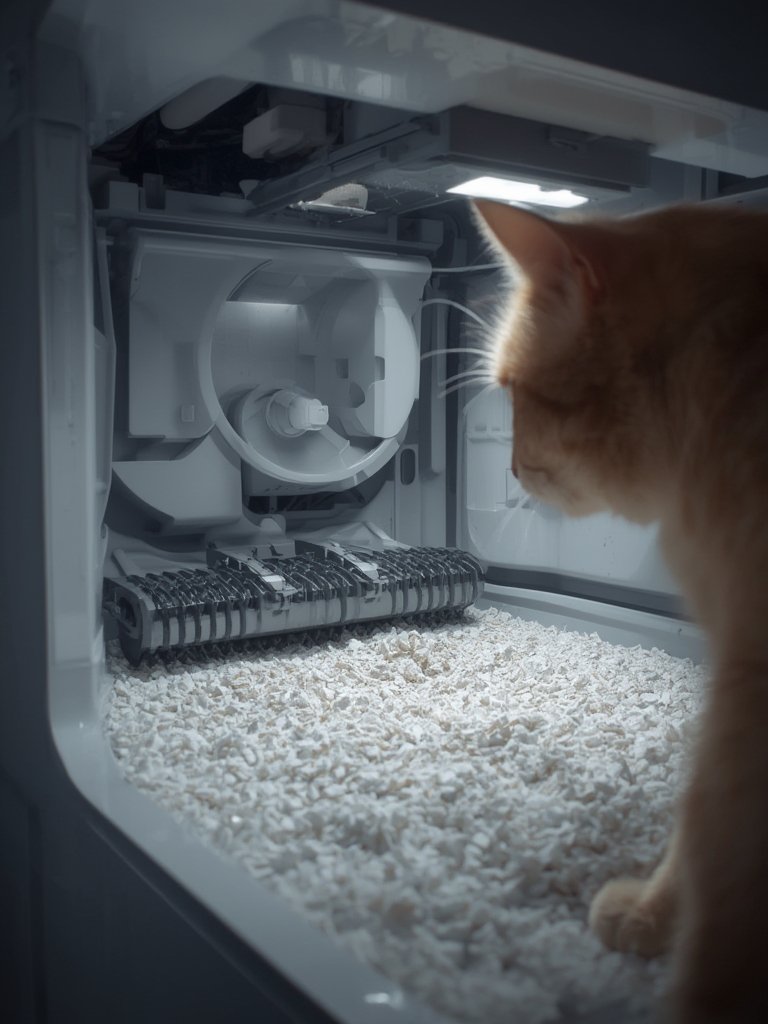
- Set Up & Test: Assemble the device as instructed. Run it empty to test mechanics and sensors—make sure there are no unusual sounds, sticking parts, or error lights. For more home prep tips, see how eco-friendly materials can enhance your environment.
- Start Cat Transition: Gradually move your cat’s waste into the new box, mixing old litter or waste with new. Activate the self cleaning cycle only after your cat is comfortable.
- Maintain Regularly: Even automated boxes require emptying waste bins and topping up litter once or twice weekly. Clean the internal mechanisms monthly with soap and water, unplugging first. Eventual maintenance time may average 5-10 minutes weekly—significantly less than daily scooping.
- Monitor Your Cat’s Health: Use any built-in health tracking features to log litter box usage frequency (helpful if your cat has history of urinary problems).
If you crave even more time-saving upgrades, visit our recent guide on robotic pool skimmer solutions for hands-free yard maintenance. For seasonal organization, our tips for holiday gift wrapping stations keep the entire home tidy and stress-free.
Advanced Analysis & Common Pitfalls: What to Expect (and What Can Go Wrong)
Smart litter boxes are great, but no tech is perfect. Here’s what you’re likely to encounter based on the latest market and real-user data.
| Feature | Potential Issue | How to Address |
|---|---|---|
| Cleaning Mechanism | Clogs or jams from improper litter types or too much waste | Use recommended clumping litter and empty waste bin before full |
| Sensors & Automation | False positives/negatives, especially with lightweight kittens or when sensors are dirty | Keep sensors clean and test periodically; manually reset if needed |
| Odor Control | Odors persist if carbon filters or seals are worn out | Replace filters every 1-2 months; check for full seal on waste drawer |
| Long-Term Costs | Expensive branded liners/filters required by some models; out-of-warranty repairs can be pricey | Budget for supplies and check warranty coverage before purchase |
| User Frustration | Setup, learning curve, and user error | Follow manuals, check community forums, and don’t expect a 100 percent hands-off experience |
While market leaders like Litter-Robot, ScoopFree, PetSafe, Breville, and Whisker’s Litter-Robot line offer features like gravity sensors, QuietSift technology, Wi-Fi, and odor control, there’s no perfect “set-and-forget” solution (more market details). Most complaints focus on maintenance frequency—users still have to empty bins and handle some cleaning by hand.
No major product recalls or health risks are documented for top brands in recent years, but some cats may take longer to adapt. Real safety benefits do exist: fewer urine infections and cleaner paws in multi-cat homes, especially for cats prone to UTIs. (read the full Technavio report).
Conclusion: Should You Get a Self Cleaning Litter Box in 2024?
The self cleaning litter box isn’t totally maintenance-free or costless, but it’s a real time-saver for most busy households and multi-cat owners. Be realistic about ongoing cleaning and consumable needs. Read reviews, choose a trusted brand, and budget for replacement parts and supplies. If a cleaner home and less scooping sound appealing, now is a great time to try this upgrade. For more household tech tips, explore our latest posts on smart thermostat installation and 2025 Christmas decor trends. Ready to spend less time cleaning and more time enjoying your home? Start your research and find the best model for your needs today.
FAQ
Do self cleaning litter boxes remove all odors?
No automatic litter box can eliminate 100 percent of odors, but most use carbon filters, sealed waste drawers, or odor-neutralizing crystals to significantly reduce smells. For best results, replace filters and empty the bin regularly.
How much maintenance does a self cleaning litter box actually need?
Plan to empty the waste drawer and top up litter once or twice weekly for most single-cat households. A deeper internal cleaning is best each month. Expect some troubleshooting if sensors get dirty or the mechanism jams.
Will my cat use a self cleaning litter box right away?
Many cats adapt within a few days, but some are hesitant at first due to unfamiliar sounds or movements. Introduce the new box slowly, using old litter, and wait to activate the cleaning function until your cat is fully comfortable.
What ongoing costs should I expect?
Budget for supplies like replacement liners, carbon filters, and occasionally maintenance parts. Monthly costs are usually higher than regular scooping, especially for branded accessories, but savings in time may justify the expense.
Are there risks for cats with automatic litter boxes?
No major health risks are reported with reputable brands. In fact, automatic cleaning may reduce urinary issues by keeping boxes cleaner. Always check for proper function and allow kittens to grow large enough to trigger sensors safely.