

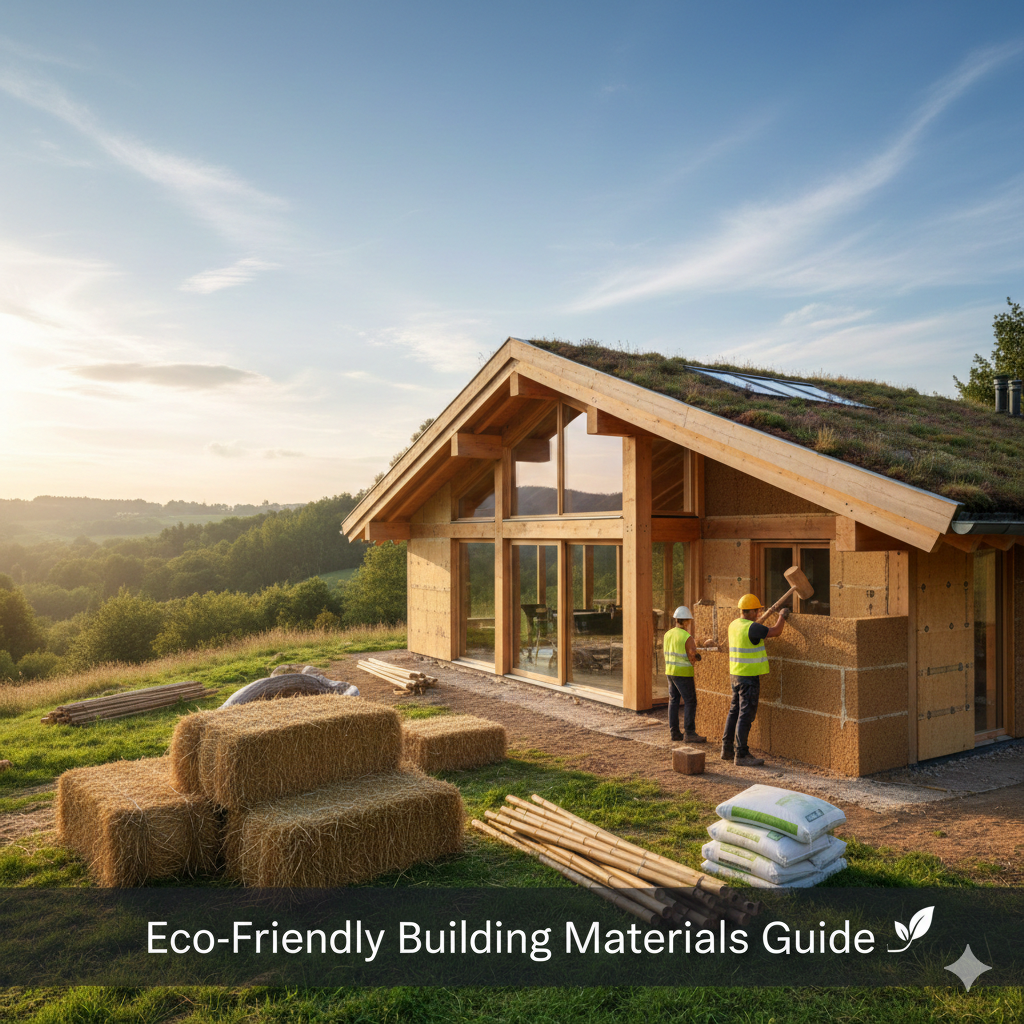
### Blog Post:
Eco-friendly building materials are more than a trend—they’re fast becoming the gold standard for sustainable home improvement as of 2024. Whether you’re planning a remodel or building from scratch, understanding which materials to use and how they impact the environment can make a major difference in cost, comfort, and your home’s future resale value.
Key Takeaways
- The market for eco-friendly building materials is booming—with widespread adoption and major savings potential on maintenance and emissions.
- Practical steps, common pitfalls, and real certifications should guide your sustainable home upgrade decisions, not just hype or “green washing.”
- Homeowners face challenges sourcing and verifying materials—certifications like LEED and GreenGuard are crucial to avoid costly mistakes.
- Understanding Eco-Friendly Building Materials
- How to Choose & Install Eco-Friendly Materials: Step-by-Step
- Advanced Analysis & Common Pitfalls
- Conclusion
- FAQ
Understanding Eco-Friendly Building Materials
Eco-friendly building materials are products used in construction or renovation that reduce environmental impact throughout their lifecycle. These materials are typically made from renewable resources, recycled content, or have exceptionally low emissions compared to traditional options.
The demand for these materials is significant: In 2024, the global green building materials market size reached up to USD 332.1 billion and is projected to grow at an annual rate up to 14 percent through 2030. The strongest demand comes from the residential sector, especially in North America (holding 35 percent market share), but Asia-Pacific is catching up quickly as cities expand.
Unlike conventional building products, eco-friendly materials help reduce carbon emissions, lower utility bills, and can significantly improve indoor air quality. For example, using recycled steel, bamboo/engineered wood, or low-VOC acrylic paint can cut ongoing maintenance costs by as much as 20 percent, and emissions by 35 percent over time.
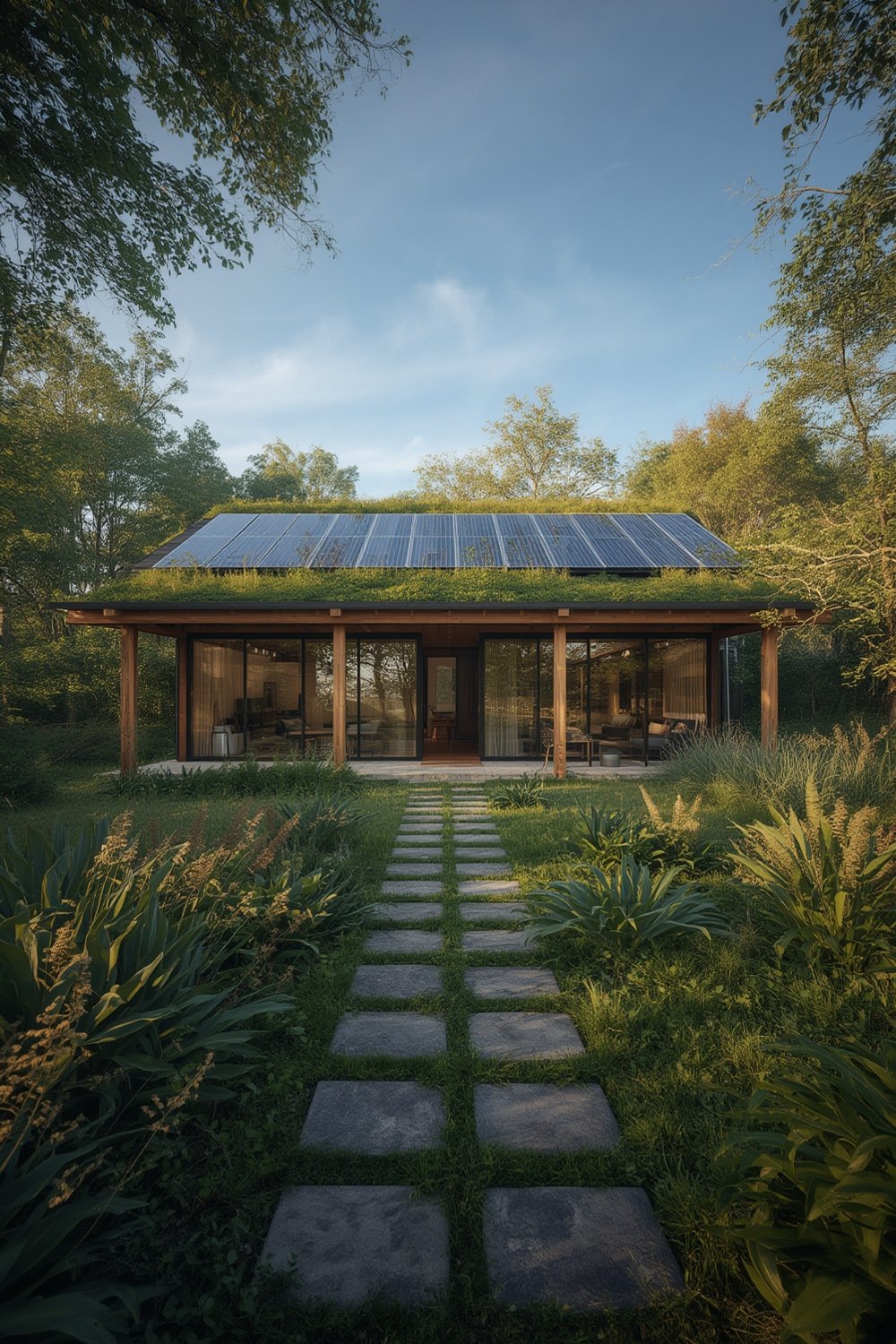
How to Choose & Install Eco-Friendly Materials: Step-by-Step
Switching your home to eco-friendly building materials may seem daunting at first, but breaking the process down into key steps makes it achievable and smart. Here’s how to do it:
- Define Your Goals & Budget
Determine if your focus is lower energy use, healthier air, reduced carbon footprint, or a mix. Then, set a realistic budget—eco-materials can cost a bit more upfront but save money long term. - Research Certified Materials
Look for LEED, GreenGuard, or other certified products. These standards ensure low emissions and manufacturing sustainability. - Plan Sourcing & Availability
Check local suppliers for availability. Some materials, such as eco-conscious insulation supplies, may be easier to source in certain regions or seasons. - Hire Qualified Professionals
Not every builder understands these materials. Ask for previous project references involving recycled, bamboo, or low-VOC products. Poor installation can nullify green benefits. - Calculate Long-Term Payback
Factor in savings from lower energy usage, maintenance, and the added value of a healthier home. - Document Certifications & Warranties
Keep paperwork for each product’s credentials. You’ll need this for future value, refinancing, or resale.
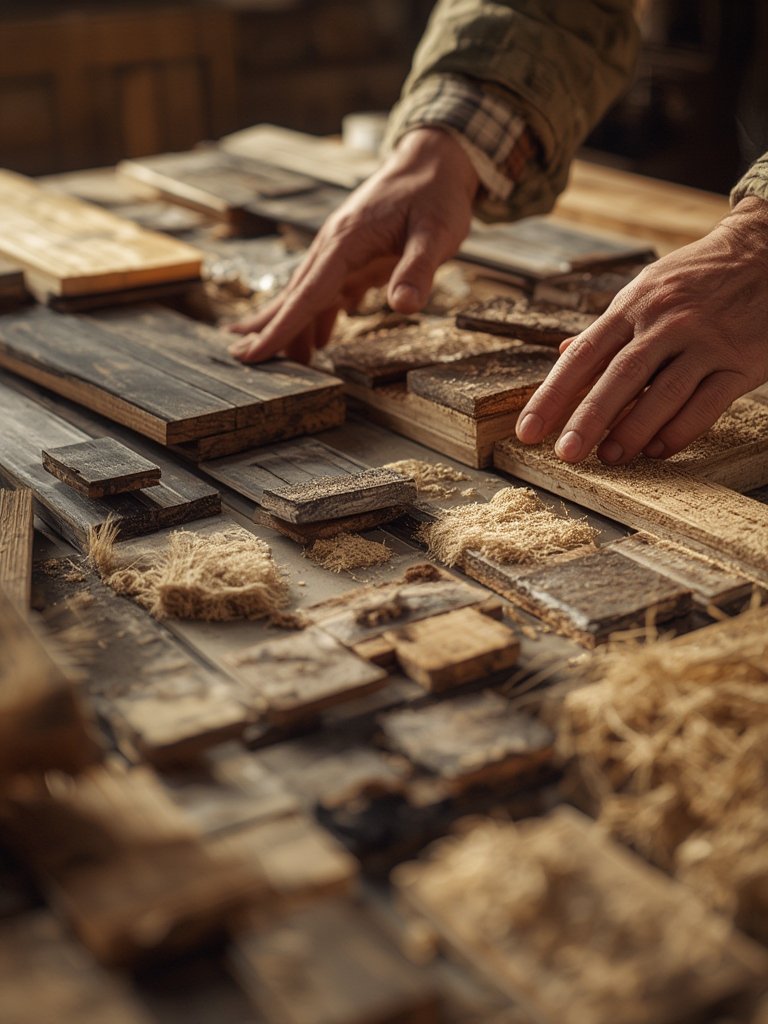
For holiday upgrades that won’t undo your good work, check out these modern Christmas decor inspirations or discover budget-friendly home decorating tips that complement a healthier, eco-smart space.
And if you want your sustainability streak to cover the coldest months, see which insulation materials make the best fit for both your climate and your eco-values.
Advanced Analysis & Common Pitfalls
While the advantages of eco-friendly building materials are well documented, challenges can catch even well-intentioned homeowners off guard. Let’s break down the most realistic issues you might face—and smart ways to avoid them.
Common Pitfalls
- Availability Gaps: Sourcing recycled, bamboo, or specialty insulation products can be hit or miss. Supply chain gaps may cause delays.
- Cost Uncertainty: Exact prices vary—eco-friendly products often cost more up front but offer measurable long-term savings (20 percent lower maintenance, up to 35 percent lower emissions per Recent Market Research). However, not all materials pay back equally fast.
- Quality and Longevity Concerns: Not every “sustainable” label means durable; research or ratings from trusted authorities matter. Unverified brands may underperform.
- Lack of Experienced Installers: Green products may require different installation techniques, and mistakes can lead to wasted money or voided warranties.
- “Greenwashing” Traps: Some products are marketed as green with little real benefit. Confirm certifications such as LEED, GreenGuard, or BREEAM to avoid falling for empty claims.
- Indoor Air Quality Issues: Even some so-called low-VOC products can off-gas if improperly applied or stored.
2024 Cost Comparison: Eco-Friendly vs. Traditional Materials
| Material Type | Eco-Friendly Example | Traditional Example | Upfront Cost | Long-Term Savings | Key Benefit |
|---|---|---|---|---|---|
| Paint | Low-VOC acrylic | Solvent-based paint | 10-30% higher | Purified indoor air | Better indoor health |
| Flooring | Bamboo/engineered wood | Laminates/vinyl | Equal or up to 25% higher | Less maintenance | Lower environmental impact |
| Insulation | Cellulose/recycled denim | Fiberglass/batt | Varies | 20% less energy loss | Improved efficiency |
| Structural | Recycled steel | Virgin steel/timber | 10-15% higher | Longer lifespan | Recyclable, robust |
Certification & Verification is Essential
To avoid hidden disappointments, always confirm that products meet recognized certifications. Global standards (e.g., LEED, BREEAM, GreenGuard, WELL, GRIHA) are proof the material meets low-emission and sustainability benchmarks. Even for smaller DIY home projects—such as Christmas staircase garland upgrades—using tested materials yields better results and peace of mind.
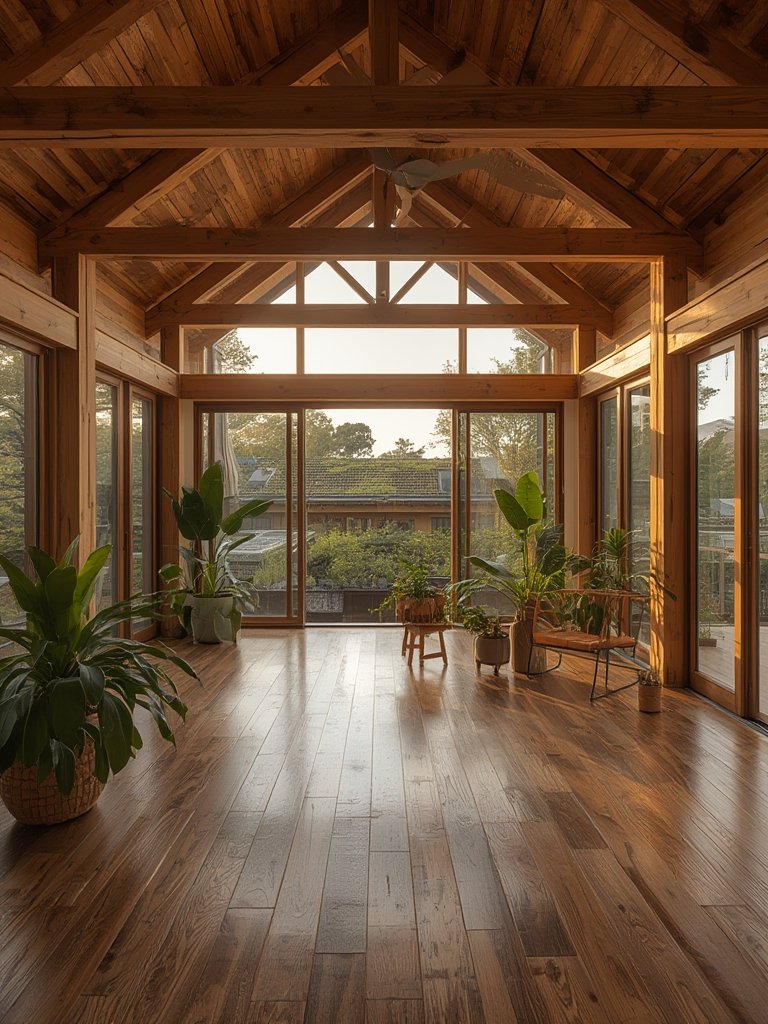
Conclusion
Eco-friendly building materials are a smart choice for homeowners wanting to lower their environmental footprint while saving on long-term costs. With the global market growing rapidly and certifications becoming more accessible, now is the time to make the switch. By understanding product types, certifications, and true costs, you can avoid common pitfalls and maximize the benefits of your sustainable home upgrade. Ready to transform your space with eco-friendly building materials? Start your planning today by exploring certified products and local professionals.
FAQ
What are the best certifications for eco-friendly building materials in 2024?
The most trusted certifications include LEED, BREEAM, GreenGuard, WELL, GRIHA, and Green Star. These ensure materials meet strict low-emission and sustainability standards.
Are eco-friendly materials more expensive than traditional options?
Often, yes—especially up front. However, green materials typically lead to 20% lower maintenance costs and up to 35% less emissions over their life cycle, making them more cost-effective long term.
What are common mistakes when choosing sustainable home improvement materials?
Common mistakes include falling for “greenwashing” marketing, skipping certification checks, and using inexperienced installers. Always verify product credentials and professional experience.
Can green building materials improve indoor air quality?
Yes. Certified low-VOC paints, flooring, and insulation all contribute to healthier indoor air, reducing allergens and chemical exposure in your home.
Where can I find actionable inspiration for sustainable home decor?
For eco-conscious home improvements and seasonal ideas, browse the latest seasonal home updates or see our Christmas wrapping station guide for planet-friendly inspiration.
—