

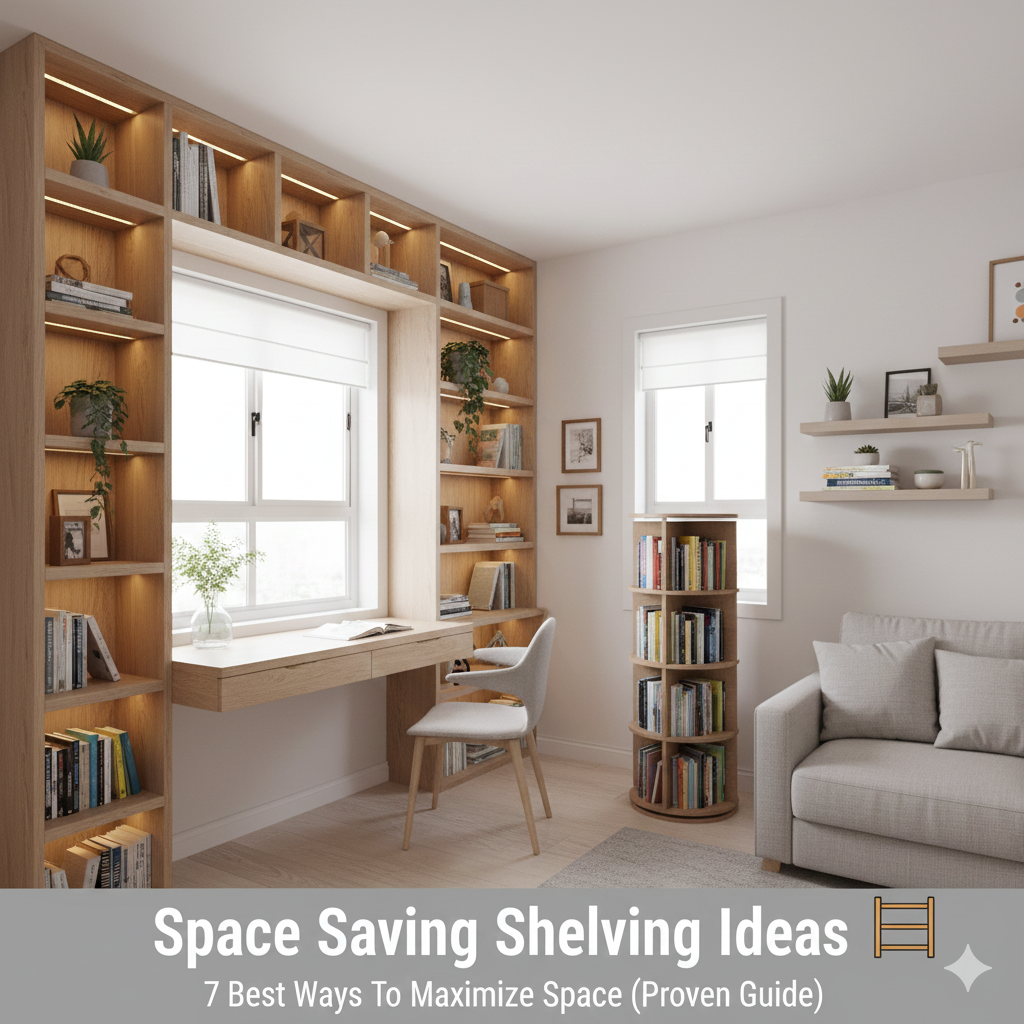
Space saving shelving ideas are transforming urban homes in 2024, allowing residents to maximize every inch of their living space as apartments get smaller and city populations grow. If you’re looking for realistic solutions that actually work—and essential mistakes to avoid—this is your one-stop actionable guide for smarter shelves.
Key Takeaways
- The demand for practical, customizable, and space-efficient shelving is soaring, especially in urban areas where living quarters are shrinking.
- Wood remains the most popular shelving material due to aesthetics and sustainability, but metal is gaining ground in modern, industrial designs.
- Careful planning and awareness of structural limits are vital for both safety and long-term durability when installing shelves in compact spaces.
- Understanding Space Saving Shelving Ideas
- How to Maximize Space with Shelving: Step-by-Step Guide
- Advanced Analysis & Common Pitfalls
- Conclusion
- Frequently Asked Questions
Understanding Space Saving Shelving Ideas
Space saving shelving ideas focus on vertical and modular storage so you can organize efficiently even in small apartments or rooms. They include classic wall-mounted shelves, floating shelves, modular units, underused corners, over-door nooks, and hybrid solutions that double up as both storage and decor. The “why” is clear—global urbanization has shrunk home footprints, with new apartments in the US now averaging only 825 sq ft, a drop of 11% in just five years. That’s why the shelving units market reached over USD 26 billion in 2024, and more than 74% of urban households are actively investing in home organization to reduce clutter and use space more effectively. [Market Research Future]. If you want a functional home without feeling boxed in, knowing how—and what—to choose for shelving is more important than ever.
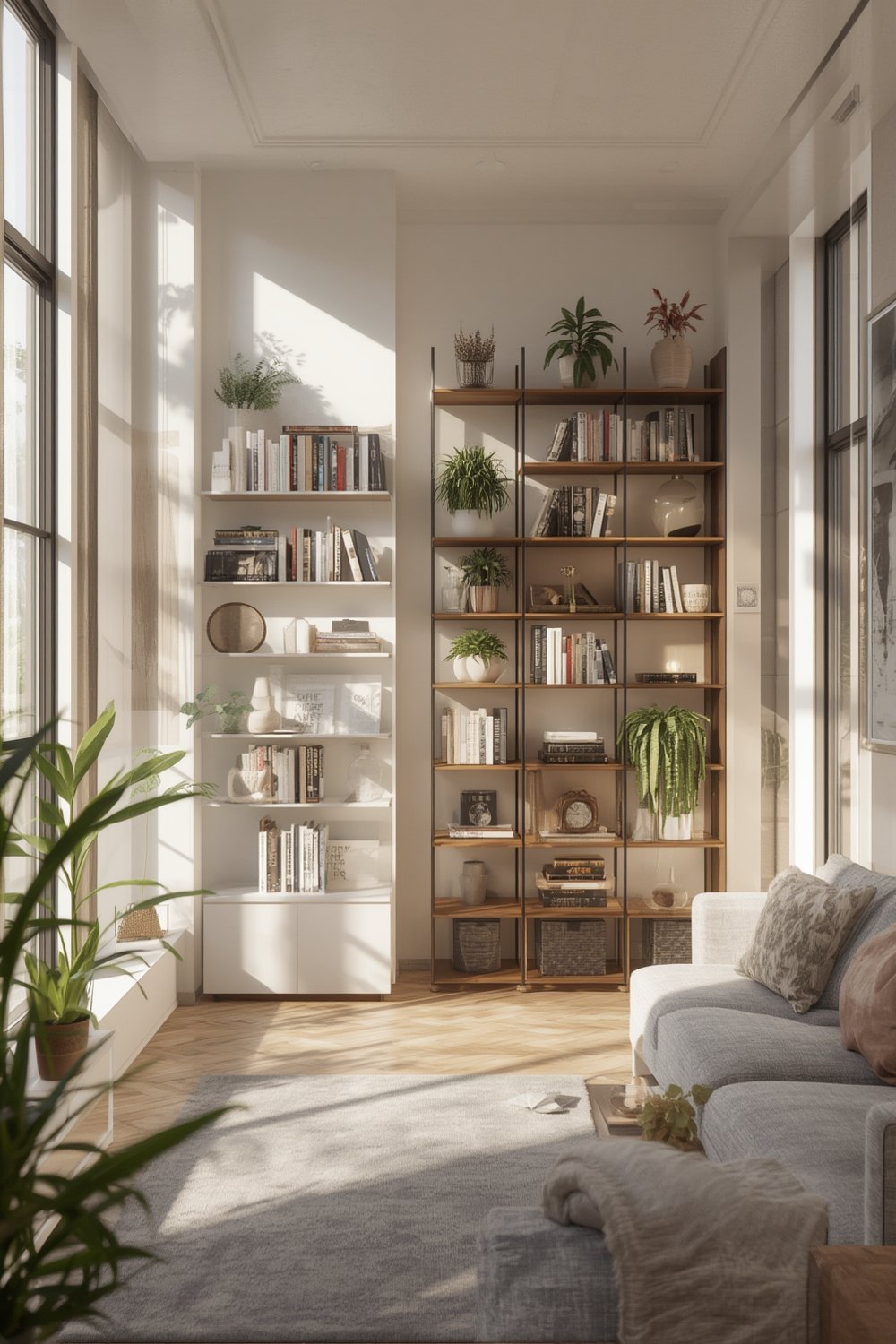
How to Maximize Space with Shelving: Step-by-Step Guide
1. Start with Smart Shelving Assessment
Walk through your home and note currently unused walls, awkward corners, high ceilings, or even narrow entryways that could host shelves. Pay attention to traffic flow, light switches, window frames, and the thickness/structure of your walls (drywall, plaster, or brick make a huge difference to what you can safely hang).
2. Choose Your Materials and Methods
Decide between DIY and pre-made units. Wood is popular for durability and eco-appeal, while metals are trending for open, industrial looks. Consider environmental impact—a priority in North America, where many aim for wooden shelving due to sustainability benefits. [Cognitive Market Research]
3. Map Out Your Shelf Placement
Sketch shelf positions on the wall using painter’s tape or a level app. Focus on vertical stacking near doors, above desks or radiators, and in narrow, wasted nooks. Always check for hidden wires or pipes before drilling.
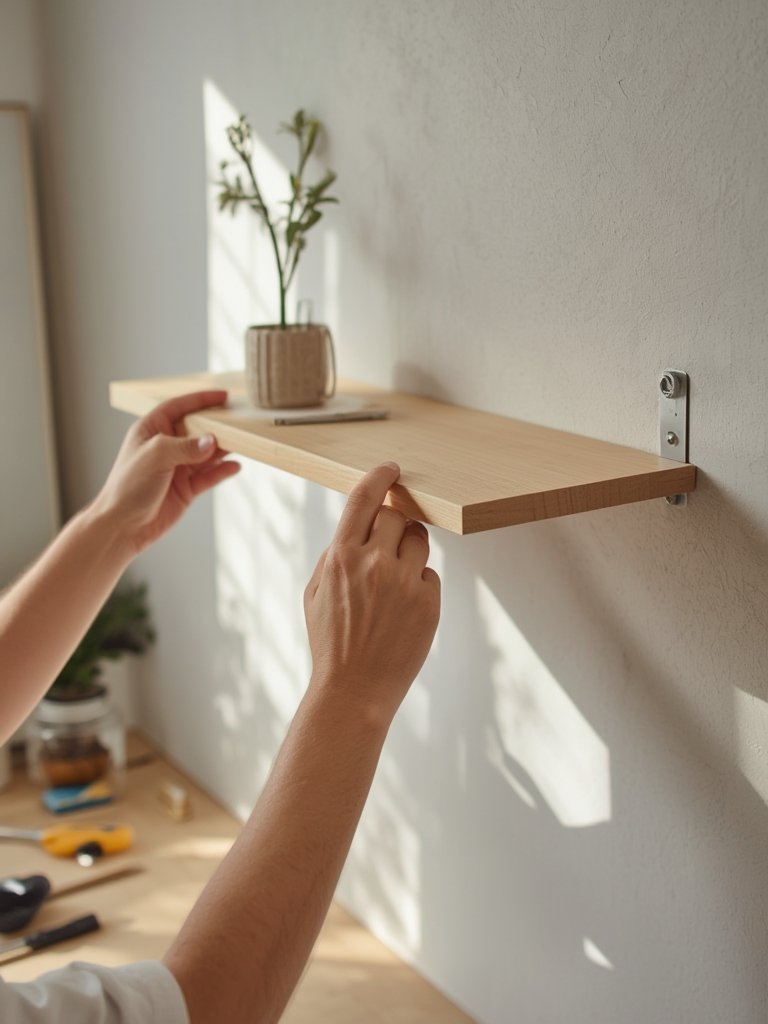
4. Installation Essentials: Doing It Right
- Wall Anchors: Never mount heavy shelves directly into drywall alone. Use toggle bolts or anchors rated for at least 30-50 lbs per shelf in hung drywall, and always find studs for anything over 50 lbs.
- Leveling: Double-check shelf horizontal alignment before securing. One crooked shelf is all it takes to throw off an entire wall.
- Fasteners: For brick or concrete, get masonry screws. For plaster, use dedicated anchors that grip rather than split the wall.
- Safety: Avoid putting heavier objects on upper shelves to minimize injury risk.
If installing specialty units (like ladder shelves, corner units, or modular cubes), assemble first, then secure to both floor and wall if possible for added stability.
For Christmas or other seasonal decor, treat your shelves as flexible display zones! For tips on styling, see our latest home Christmas decor guide or layer greenery as shown in our Christmas staircase garland inspiration.
5. Styling and Maintenance
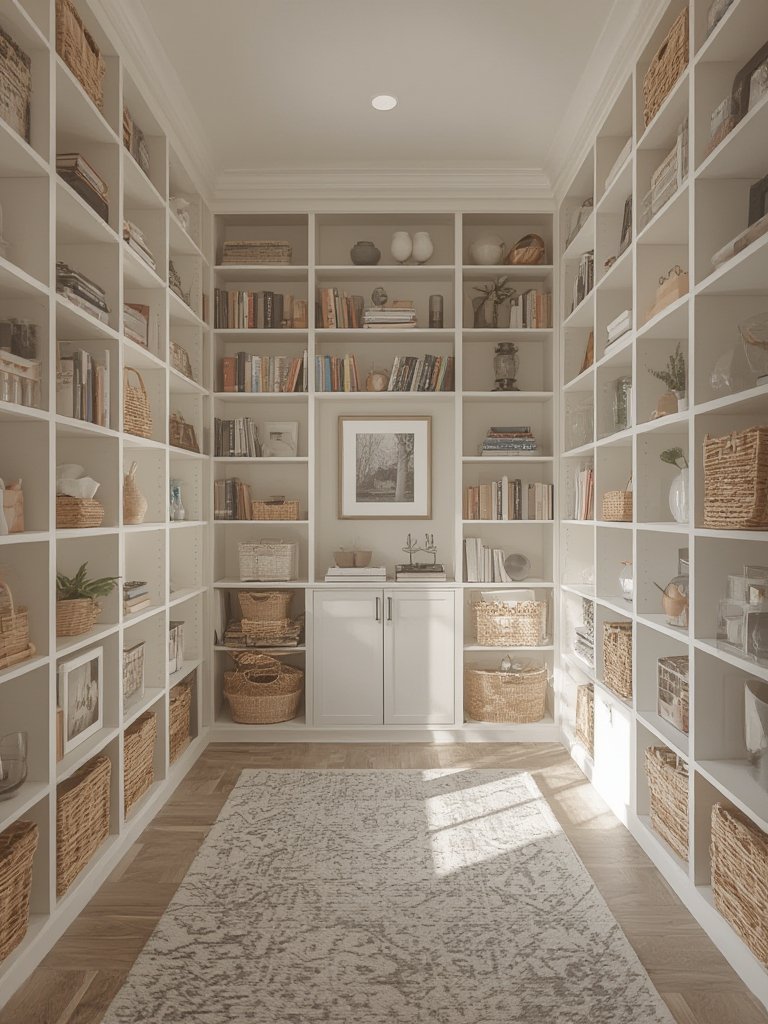
Mix functional storage (baskets, bins, books) with art, houseplants, or accent objects for a well-balanced look. For budget-friendly options, try upcycling existing wood or metal with a coat of low VOC paint—find environmental product tips in our eco-friendly building materials guide. Clean with a dry or lightly damp cloth; avoid overloading and inspect anchor points annually.
Realistic Problems Users Face
- Hidden Obstacles: Old walls may contain pipes, wires, or uneven studs. Improper scanning or drilling can cause costly damage.
- Installation Frustration: Many shelves require specialized tools or a two-person lift; uneven surfaces or crumbling plaster create added headaches.
- Poor Weight Support: Floating shelves in drywall can collapse if installed without proper anchors—many underestimate needed load limits.
- Mismatch of Materials: Shelving that looks good in a photo doesn’t always suit the real humidity, use, or style of your home—wood may warp in kitchens, while metal can rust in bathrooms.
- Environmental Oversight: Rushing to use new materials can ignore their full life-cycle or recyclability. Wooden shelves lead in sustainability, but ask for FSC-certification if possible.
DIY vs. Pre-Made Shelving: 2024 Cost and Convenience Comparison
| Solution Type | Avg. Material Cost | Tools Needed | Time Invested | Best For |
|---|---|---|---|---|
| DIY Floating Shelves (Wood) | $30–$100 per shelf | Drill, Level, Stud Finder, Saw | 4–6 hours | Full Custom Fit |
| Pre-Made Modular Units | $40–$200/unit | Screwdriver, Anchors | 1–2 hours | Speed & Rental Spaces |
| Custom Shelving (Professional) | $200–$2000+ | None (Installed for You) | Varies (days) | Design Integration |
For insulation or installing shelves during a seasonal remodel, consult our guide to home insulation supplies for wall preparation tips.
Conclusion
With more people than ever seeking space saving shelving ideas, the right approach can truly transform how you live—making even the smallest home functional, stylish, and less stressful. Remember: smart assessment, structural safety, and thoughtful material choices matter as much as trendy design. Ready to maximize your own walls? Start planning your shelving upgrade or get inspiration from our budget-friendly decorating guide or explore seasonal trends for a fresh look in every room.
Frequently Asked Questions
What type of shelving is best for very small apartments?
Wall-mounted floating shelves and vertical modular units are ideal for small apartments, as they free up valuable floor space and can be tailored to fit tight or awkward layouts. Look for adjustable systems to adapt as your storage needs change.
How much weight can floating shelves hold in drywall?
This depends on the type of wall anchors and how well they’re installed. Standard drywall anchors handle 30–50 lbs, but always use studs for heavier loads or multiple shelves. If in doubt, consult the shelf’s instructions or hire a professional for safety.
Are there eco-friendly shelving options?
Yes, shelves made from sustainably sourced wood or recycled materials are increasingly available, especially in North America. Look for certifications like FSC or low-VOC finishes. For tips on green building, see our eco-friendly materials guide.
Can I install shelves in plaster or brick walls?
Absolutely, but you’ll need specialized anchors or masonry screws. Plaster can be brittle, so use anchors designed to grip rather than wedge apart the wall. Check for hidden wires or pipes before drilling into any wall surface.
What are the latest shelving design trends for 2024?
Multifunctional modular shelves, open metal frameworks, and floating wooden boards remain top picks, especially in modern urban homes. For seasonal styling, consult our 2025 decor trends overview for fresh inspiration.