

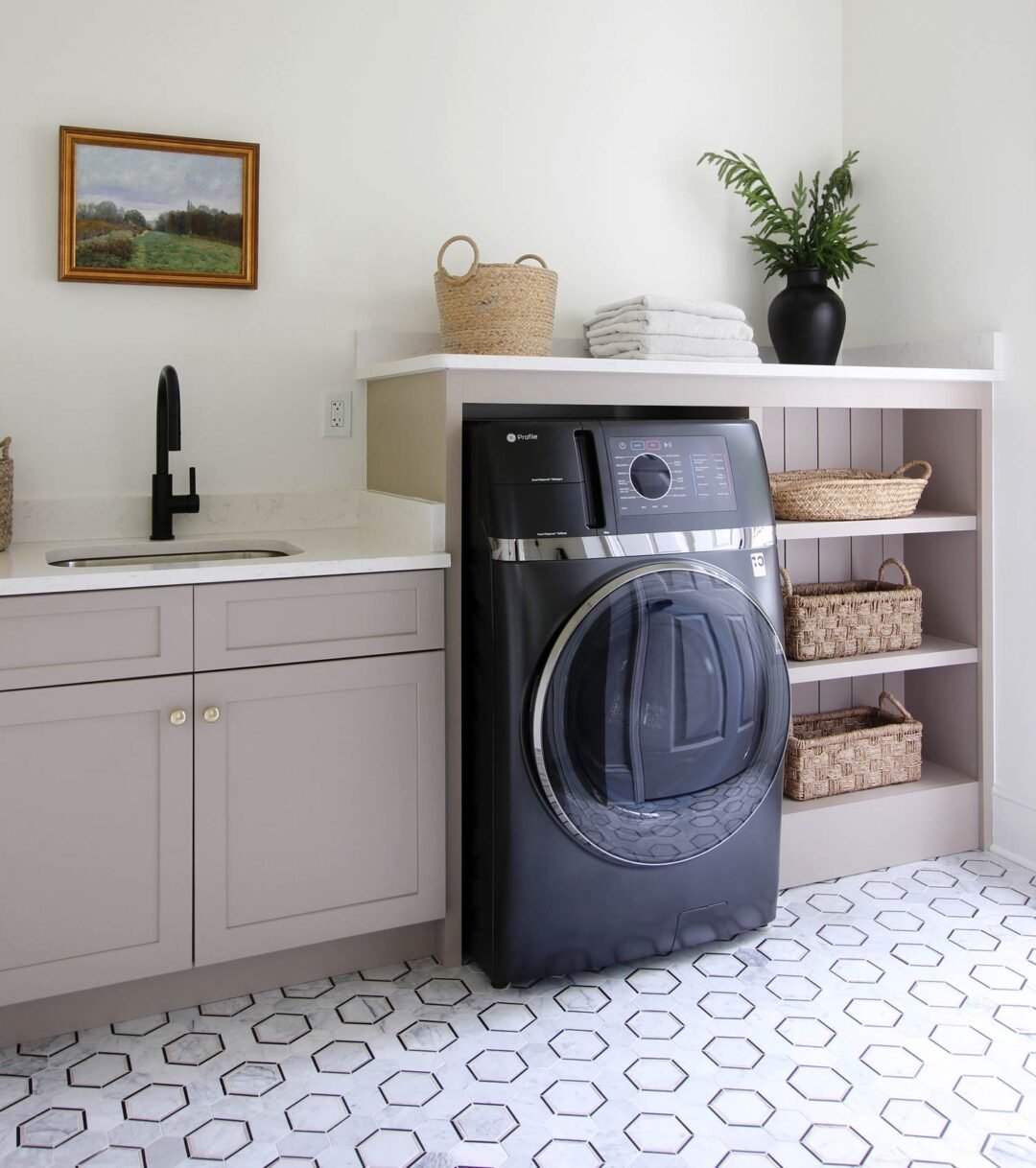
Ventless washer dryer benefits are driving a new wave of smart, space-saving laundry solutions for homeowners and renters—especially in urban apartments and tight spaces. But is ventless technology really the best fit for you? Explore the latest facts, real user pros and cons, and critical setup tips inside this concise, data-driven guide.
Key Takeaways
- Ventless washer dryers save space and simplify installation, making them ideal for apartments and older homes without vent access.
- Recent models use up to 60% less energy, but typically have longer drying times and higher initial costs than traditional vented units.
- While performance and smart features are improving, buyers should weigh up-front costs and maintenance realities before committing.
- What Are Ventless Washer Dryers and Why Are They Trending?
- How to Choose, Install, and Use a Ventless Washer Dryer (Step-by-Step)
- Advanced Analysis & Common Pitfalls of Ventless Laundry Solutions
- Conclusion: Is a Ventless Washer Dryer Right for You?
- FAQ: Ventless Washer Dryer Benefits
What Are Ventless Washer Dryers and Why Are They Trending?
Ventless washer dryers are all-in-one or stacked laundry machines that use condensation or Heat Pump technology to dry laundry—without needing to vent moist air outside. Instead, moisture is condensed and drained away, allowing for easy install in closets, kitchens, or even older homes where traditional venting isn’t possible. Their benefits are especially clear in apartments, condos, basements, and high-density urban housing where installing a vented dryer can require costly renovations or is simply forbidden.
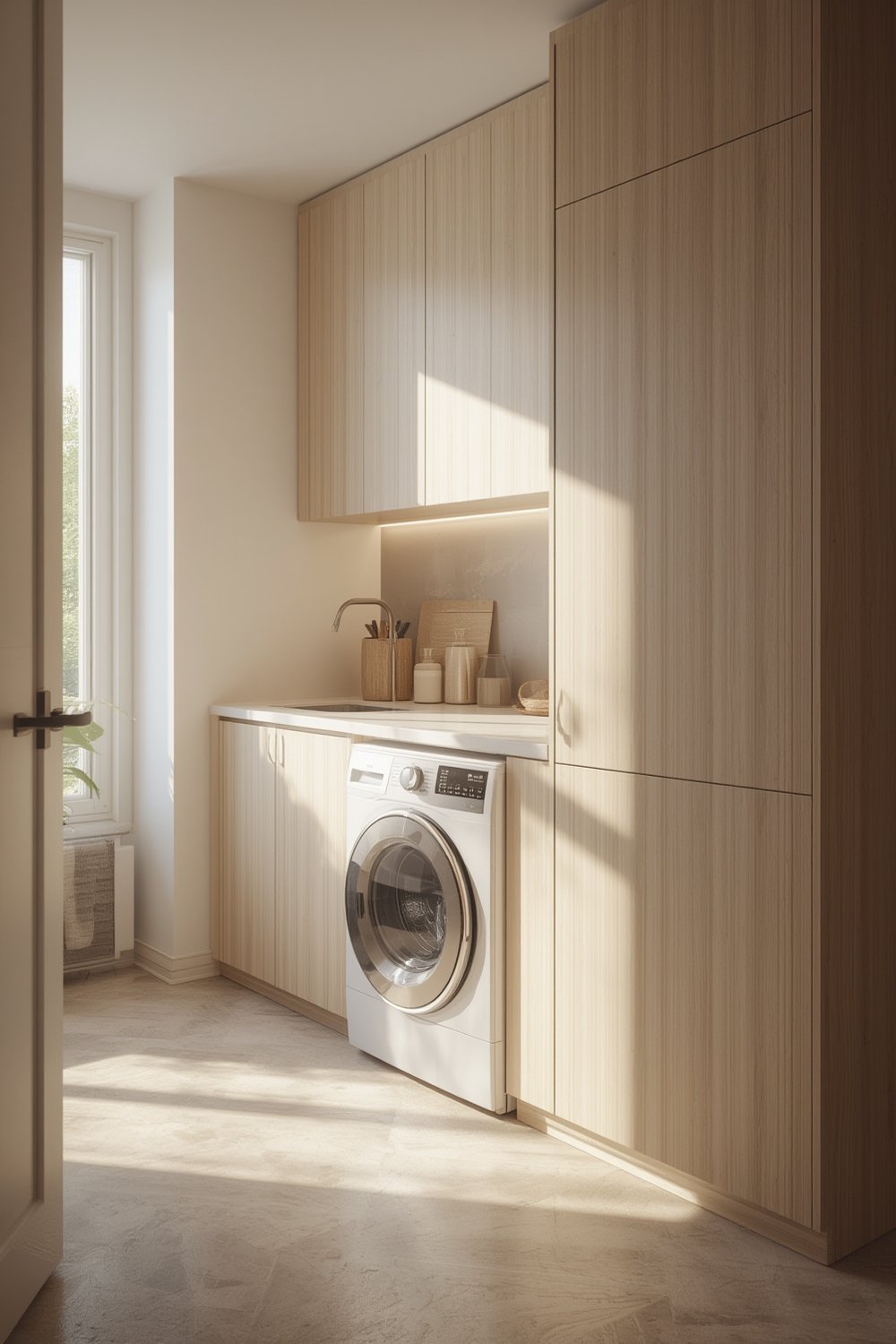
Adoption rates of ventless washer dryers have jumped in 2024. According to recent research, the global washer dryer combo market (heavy on ventless models) hit $4 billion, projected to rise to $6.5 billion by 2033 as city living increases. This trend is even more pronounced in North America, where the household washer/dryer market has grown to $16.75 billion on the strength of compact, ventless-friendly designs adopted by leading brands like LG.
Why the surge in popularity? The answer boils down to flexibility, energy efficiency, and the ability to do laundry in spaces that traditional vented dryers simply can’t reach. Still, it’s important to look beyond the marketing and examine the true upsides, real-world user experiences, and the technical innovations powering these new machines.
How to Choose, Install, and Use a Ventless Washer Dryer (Step-by-Step)
Selecting and successfully integrating a ventless washer dryer into your lifestyle involves more than plugging it in and pressing “Start.” Here’s how to make the smartest possible decision—from specs to installation to efficient daily operation.
Step 1: Decide on Type (Combo vs. Separate)
All-in-one ventless combos wash and dry in a single drum, saving maximum space but can have smaller capacities and longer cycles. Separate (stackable) ventless washer and dryer pairs offer more flexibility and may be faster. Consider your household size and laundry frequency.
Step 2: Prioritize Key Features
- Capacity: Modern combo units now reach up to 5 cubic feet (e.g., LG 2024 WashCombo), great for small families or couples. Singles or couples may be fine with <2.5 cu.ft.
- Technology: Opt for models labeled “Heat Pump” for the best energy efficiency and gentler drying. Sensor-drying features are a plus for preventing over-drying.
- Energy Ratings: Look for the latest 2024 DOE standards for maximum savings.
Step 3: Estimate Total Costs
- Purchase Price: Expect to pay $700–$1,600 for most quality ventless washer dryers. Cheaper models may lack the latest energy-saving tech.
- Installation: Ventless units usually just need a standard 120- or 240-volt outlet, water line, and a drain. No exterior vent (cutting, ductwork, or building code headaches) required. This makes them ideal for renters or historic homes. Eco-friendly renovations are easier, too.
- Maintenance: Clean filters and condenser coils monthly for optimal performance and longevity. Some users report easier maintenance compared to traditional dryers.

Step 4: Install Safely and Legally
Before purchase, confirm your apartment, condo, or home’s building rules. In North America, ventless dryers are often the only code-compliant option in condos and older multi-unit buildings. Only connect electrical and plumbing as per manufacturer directions; consider professional help for permanent installs. Ventless models are also ideal for temporary or mobile living since they don’t need cabinets or ductwork. See kitchen renovation budgeting tips if building around your laundry station.
Step 5: Optimize Daily Use
- Load clothing loosely—don’t overstuff. More airflow means better drying.
- Use high-spin wash cycles to remove maximum water before drying starts.
- Clean lint filters and water reservoirs after each use.
- Use energy-saving settings for lighter loads and overnight cycles.
- For seasonal storage or sensitive fabrics, consider insulating your laundry space to speed up cycles and protect machines from humidity.
These steps will help maximize ventless washer dryer benefits—and head off common frustrations right from the start.
Advanced Analysis & Common Pitfalls of Ventless Laundry Solutions
The promise of hassle-free laundry anywhere is real, but ventless machines come with limitations, especially when compared directly to their vented cousins. Here’s a practical breakdown based on industry data and what most consumer reviews do say.
| Feature | Ventless Washer Dryer | Traditional Vented Dryer |
|---|---|---|
| Where You Can Install | Anywhere with water, power, drain (no exterior vent needed) | Requires exterior vent and ducting |
| Energy Use | Up to 60% less (latest heat pump models) | Higher, especially for older/large units |
| Drying Time | Longer (1.5–3 hrs typical, faster in new premium models) | Faster (0.5–1 hr per load) |
| Purchase Cost | Higher ($700+) | Lower ($400+) |
| Maintenance | Clean filters and water tanks monthly | Clean lint traps after every load |
| Common Issues | Longer cycles, higher up-front price, slight learning curve | May not be allowed in condos/rentals, requires vent upkeep |
- Longer Drying Times: Most owners report that ventless dryers (including combos) take 60–200% longer on average to dry a full load compared to vented units. This can frustrate large families or heavy laundry users, though the newest premium LG and Bosch models are closing this gap fast.
- Premium Cost and Fewer Rebates: Expect to pay at least $200–$400 more up front for energy-efficient ventless units. Unlike heat pumps or smart thermostats, few utility incentives or city rebates for ventless laundry machines exist—though this may change as cities crack down on vented dryer installations.
- Capacity and Overloading: Compact size and combined cycles mean you should wash smaller, frequent loads—not big “laundry day” piles. Overloading compromises both cleaning and drying results.
- Maintenance and Repairs: Condensation systems and heat pumps require regular filter, lint, and reservoir cleaning—which takes a few extra minutes per week. Most brands now design for easier access. Actual long-term breakdown rates compared to vented dryers remain underreported and could use more study by third parties like Consumer Reports.
- Regulatory and Building Code Issues: While ventless models generally bypass strict venting rules in condos and older buildings, always check local codes before buying.
Bottom line: Ventless laundry solutions are a strong fit for urban apartments, busy professionals, and homes with layout or code restrictions—but may not satisfy families who want super-fast cycles on laundry day.
Conclusion: Is a Ventless Washer Dryer Right for You?
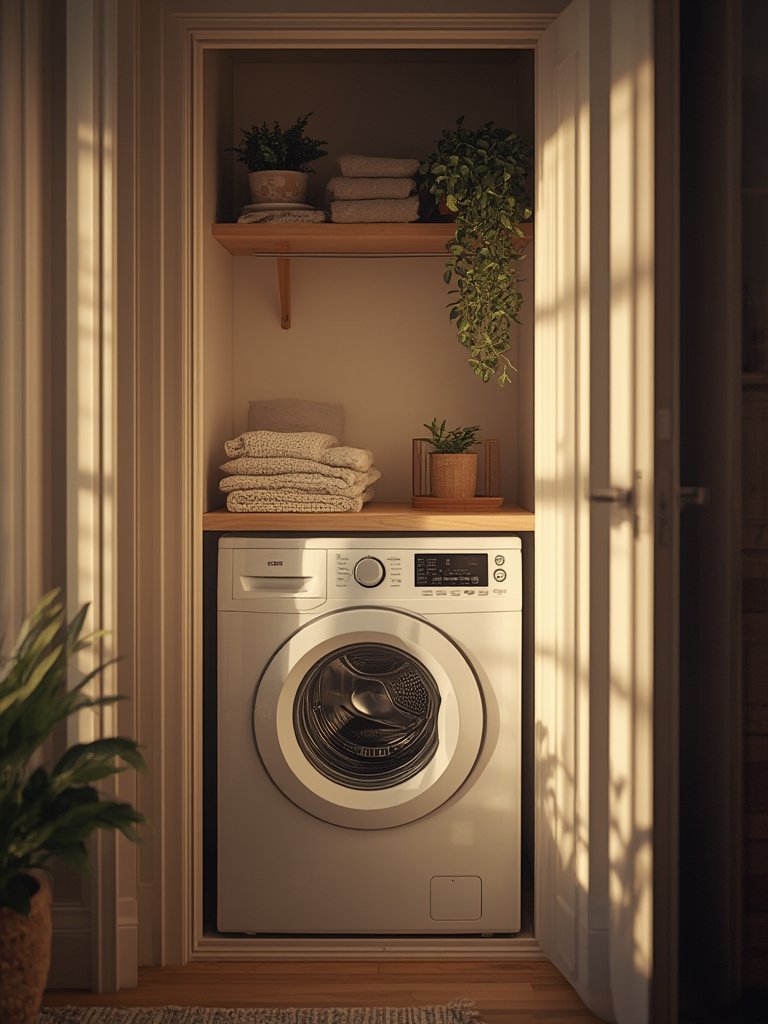
Ventless washer dryer benefits are real—especially for anyone facing space or installation limits. The latest machines deliver major energy savings, flexible installation, and improved features, all within reasonable up-front costs for most urban dwellers. But these gains come with caveats: longer drying cycles, a learning curve for best results, and higher purchase prices than conventional dryers. We recommend ventless laundry solutions for apartments, condos, or older homes where venting is tough or forbidden.
If maximizing convenience, energy savings, and compact design matter most, explore popular ventless models now. For the latest on efficient home upgrades, see our guides on eco-friendly building materials or browse the best home insulation kits to further lower your energy bills. Don’t forget to weigh the realistic trade-offs and always check your building’s requirements before you invest. Ready to simplify laundry? Review local store demos or ask your neighbors about their ventless washer dryer experiences today!
FAQ: Ventless Washer Dryer Benefits
Are ventless washer dryers as efficient as traditional vented models?
Many ventless models using heat pump technology can be more energy-efficient, saving up to 60% on energy use compared to standard vented dryers. However, drying cycles are usually longer, which can impact convenience for some users.
Do ventless washer dryers require special plumbing or electrical setups?
No vented ductwork is needed, but you will need access to a water line, a power outlet (typically 120 or 240 volts), and a drain nearby. This makes them much easier to install in apartments, condos, or older homes.
How much maintenance do ventless washer dryer combos need?
Routine maintenance includes cleaning the lint filter, emptying any water tanks, and occasionally descaling the condenser. Plan a quick monthly check to keep your machine running efficiently and prevent odors or inefficiency.
Can I get rebates or incentives for installing a ventless washer dryer?
Unlike some energy-efficient appliances, utility or city rebates for ventless laundry systems are rare in 2024. Check your local government or energy provider for evolving incentive programs—some cities may roll out incentives as new building codes favor ventless tech.
What’s the biggest downside of choosing a ventless washer dryer?
The main drawbacks are longer drying times, a higher up-front cost, and the need for regular cleaning of filters and condensers. If fast, high-volume laundry cycles are your top priority, you may want to consider a vented model—if your space allows it.