

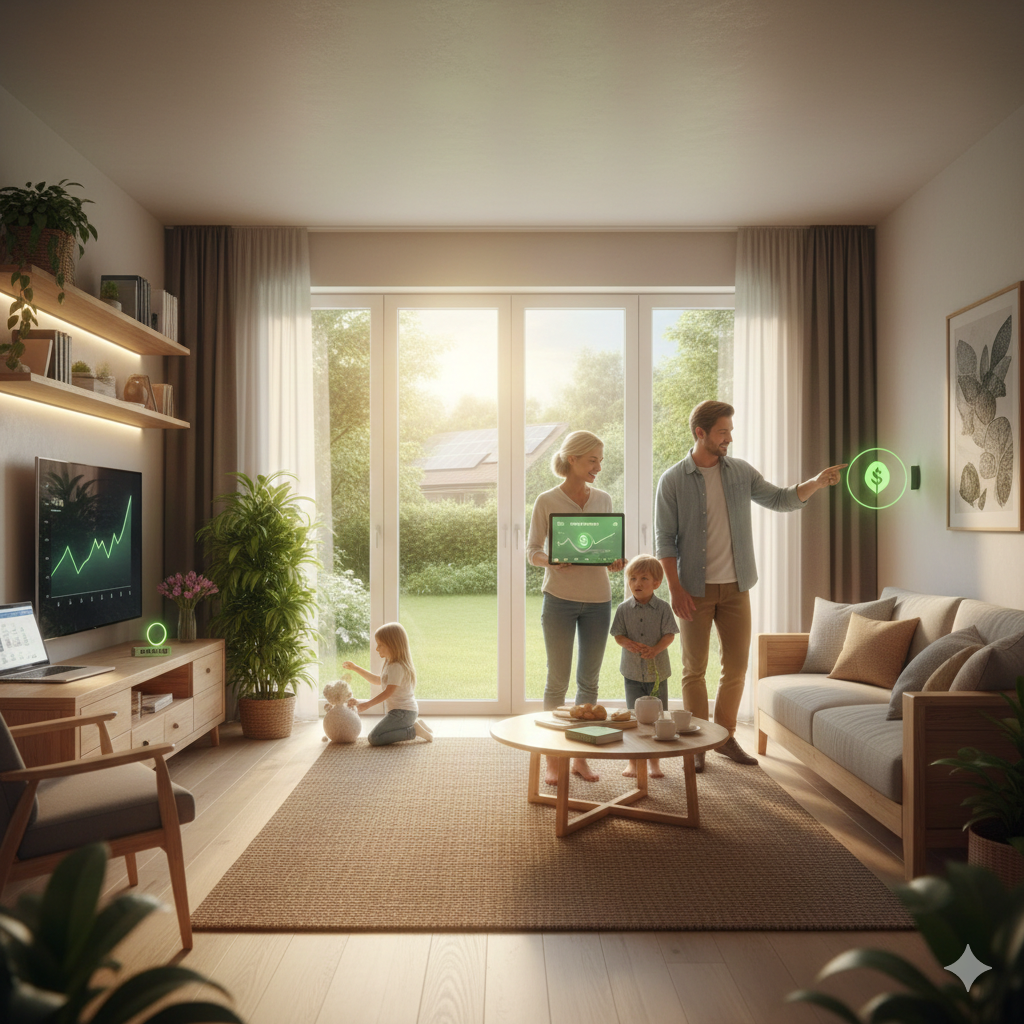
Sustainable smart home adoption is accelerating in 2024 as homeowners seek ways to cut energy bills, increase comfort, and lower their environmental impact. Yet, building a truly sustainable smart home comes with practical challenges—from privacy anxieties to complex device integration. Here’s how to make your eco-friendly home smarter and more sustainable, with honest advice and real-world strategies that avoid hype and focus on what works.
Key Takeaways
- Smart home tech can dramatically lower energy use and carbon footprint—but privacy, security, and integration remain major concerns.
- No single device or brand “guarantees” sustainability; effective results require careful product selection and thoughtful system setup.
- Most articles skip over real-life user pain points, realistic ROI, and how to make technologies play well together—this guide covers exactly those missing pieces.
- The Core Concept: What Makes a Sustainable Smart Home?
- Step-by-Step Guide: Building Your Own Sustainable Smart Home
- Advanced Analysis & Common Pitfalls
- Conclusion
- FAQ
The Core Concept: What Makes a Sustainable Smart Home?
A sustainable smart home integrates energy-efficient devices, renewable energy sources, and intelligent automation to reduce your carbon footprint without sacrificing comfort or convenience. The goal is to use less energy, create less waste, and maintain a healthier home, all while taking advantage of the latest smart tech trends.

In 2024, the global smart home market hit USD 127.80 billion, with huge growth fueled by demand for energy-saving thermostats, lighting, and appliances.
North America leads the charge, with more than 69.91 million US users already on board—a number that’s projected to exceed 100 million by 2028 [source].
But sustainability isn’t just about tech. It means thinking through what devices you actually need, how you power them, and how well they fit together—because buying more gadgets doesn’t always equal a greener household.
- Smart thermostats, smart lighting, and energy-efficient appliances are the foundation.
- Solar panels and battery storage are increasingly popular for those seeking renewable energy at home.
- Automation—using schedules, sensors, and data—amplifies savings by making sure systems only run when needed.
- Sustainable materials, eco-friendly upgrades, and efficient insulation amplify all gains.
Step-by-Step Guide: Building Your Own Sustainable Smart Home
Making your home sustainable and smart doesn’t need to be overwhelming. Follow these practical, proven steps to maximize results—and avoid costly mistakes:
- Assess Your Starting Point
Review your current energy bills and list your high-usage appliances. Consider the age and efficiency ratings of your HVAC, lights, and major electronics. - Upgrade One System at a Time
- Heating and Cooling: Install a smart thermostat, especially if your home has central air. Studies show universal use could save 9% on HVAC costs per year [source].
- Lighting: Replace bulbs with smart LEDs and set up motion or daylight sensors for automatic shutoff.
- Appliances: Opt for models with high ENERGY STAR ratings, and get units that offer connectivity for efficiency automations.
- Integrate Renewable Energy (If Possible)
Solar panels and home batteries are getting more affordable and easier to tie in with smart controls. Look for government incentives to offset upfront costs. - Automate Using a central system
Pick a hub or platform (like Home Assistant, SmartThings, or Apple Home) that supports Matter or hybrid device protocols, ensuring cross-brand compatibility. Need a starting point? See our smart home automation setup guide. - Prioritize Security and Privacy
Set strong passwords, update firmware, and audit device permissions. Review which devices need cloud connections versus staying local. - Track Your Progress and ROI
Use your devices’ energy reporting features to track monthly savings. Set benchmarks so you can decide when upgrades pay for themselves. - Get Serious About insulation supplies and Materials
Upgrading insulation supplies and using eco-friendly materials can slash heat loss—which multiplies the value of your smart upgrades.
- Don’t buy every “smart” gadget; focus on upgrades with real savings and sustainability, not just shiny app controls.
- Make upgrades opportunistically (like during kitchen renovations—see kitchen budgeting tips for timing) to control costs and maximize rebates.
- Practice “creeping upgrades”—start small, then add more as you see results and costs drop over time.
Advanced Analysis & Common Pitfalls
Adopting sustainable smart home tech isn’t always as easy or as profitable as marketing suggests. Here’s where many homeowners run into problems—and how to avoid them based on the latest research data:
- Data Privacy Concerns:
According to surveys, 57% of Americans are worried about how smart devices collect and use their data, with 46% fearing potential hacking [source]. Always choose devices from brands with a strong track record on privacy, and don’t assume expensive is safer. - Integration and Compatibility Gaps:
Many systems don’t “speak” to each other, leading to app overload and automation headaches. Matter-compliant devices (and hubs that support multiple protocols) smooth out many rough edges, but the process can still be frustrating—especially if you upgrade brands or platforms later. See how hybrid protocols dominate the latest market analysis. - Unclear Certification Requirements:
Most guides mention certifications (like LEED or ENERGY STAR) but rarely cover their nitty-gritty requirements or impacts on ROI. Look for products that are third-party certified, and ask contractors about local green building codes before making big changes. - Poorly Estimated Payback Periods:
Calculating ROI on solar, thermostats, or insulation upgrades is still difficult due to regional differences and rapid tech changes. It’s smart to use worst-case scenarios; don’t rely solely on manufacturer “best-case” numbers. For practical examples, check local average utility rates or tap into regional smart home adoption statistics on Fortune Business Insights. - Neglecting the Basics:
No smart device can overcome thin insulation, leaky doors, or old, inefficient appliances. Focus on core building improvements (windows, walls, appliances) before automating everything.
| Smart Upgrade | Potential Energy Savings | Main Integration Issue | Estimated Payback |
|---|---|---|---|
| Smart Thermostat | Up to 9% (HVAC) | Hub/app compatibility | Usually 2–5 years* |
| Smart LED Lighting | ~70–80% lower vs. halogen | Bulb/bridge protocol mismatches | 1–3 years* |
| Solar Panels | Varies (often 40-60% of usage) | App/energy monitoring tie-in | 6–12 years* |
*Estimates; actual results depend on region, usage, and utility rates.

Conclusion
Building a sustainable smart home is a smart investment for your wallet and the planet—but lasting success comes from honest planning, focused upgrades, and a good grasp of potential traps. Use central automation platforms, prioritize insulation and material upgrades, and regularly audit your devices for ROI and security.
A sustainable smart home delivers the biggest benefits when you combine technology with common-sense basics and keep security, privacy, and compatibility top of mind. Ready to get started? Audit your home today, and use this guide’s checklist to begin your smart, sustainable transformation. Your greener, lower-bill home starts now.