

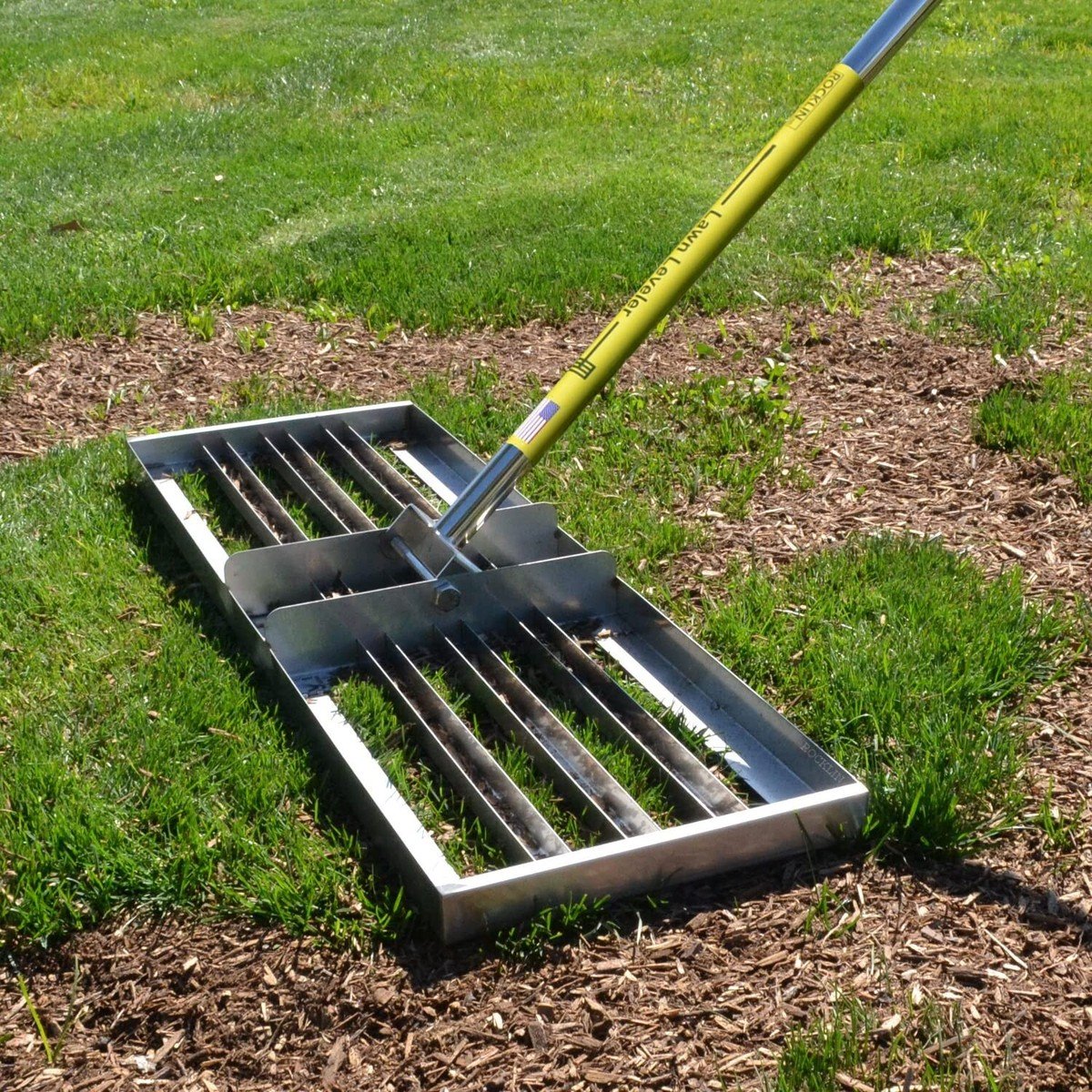
Lawn leveling rake are one of the most effective ways for DIY homeowners to fix uneven, bumpy yards and prevent puddling after rain. If you want a professional-looking, flat lawn without breaking the bank, understanding how to use a lawn leveling rake uses and what to avoid is essential. This guide gives you actionable steps, pitfalls to watch for, and key technical specs you need before you start.
Key Takeaways
- Lawn leveling rakes distribute soil or sand evenly, prevent puddling, and improve lawn smoothness when used correctly.
- Common mistakes like applying soil too thick or skipping prep work can actually damage your grass.
- Choosing the right rake—considering width, handle, and material—directly affects comfort, results, and efficiency.
- What Is a Lawn Leveling Rake uses and Why Does It Matter?
- Step-by-Step Guide: How to Use a Lawn Leveling Rake at Home
- Advanced Analysis & Common Pitfalls
- Conclusion
- Frequently Asked Questions
What Is a Lawn Leveling Rake uses and Why Does It Matter?
A lawn leveling rake uses is a wide, flat tool designed to spread and even out topdressing materials such as screened topsoil or sand over your grass. The main purpose is to smooth out low spots, mild bumps, and uneven areas—improving both the look and function of your lawn.
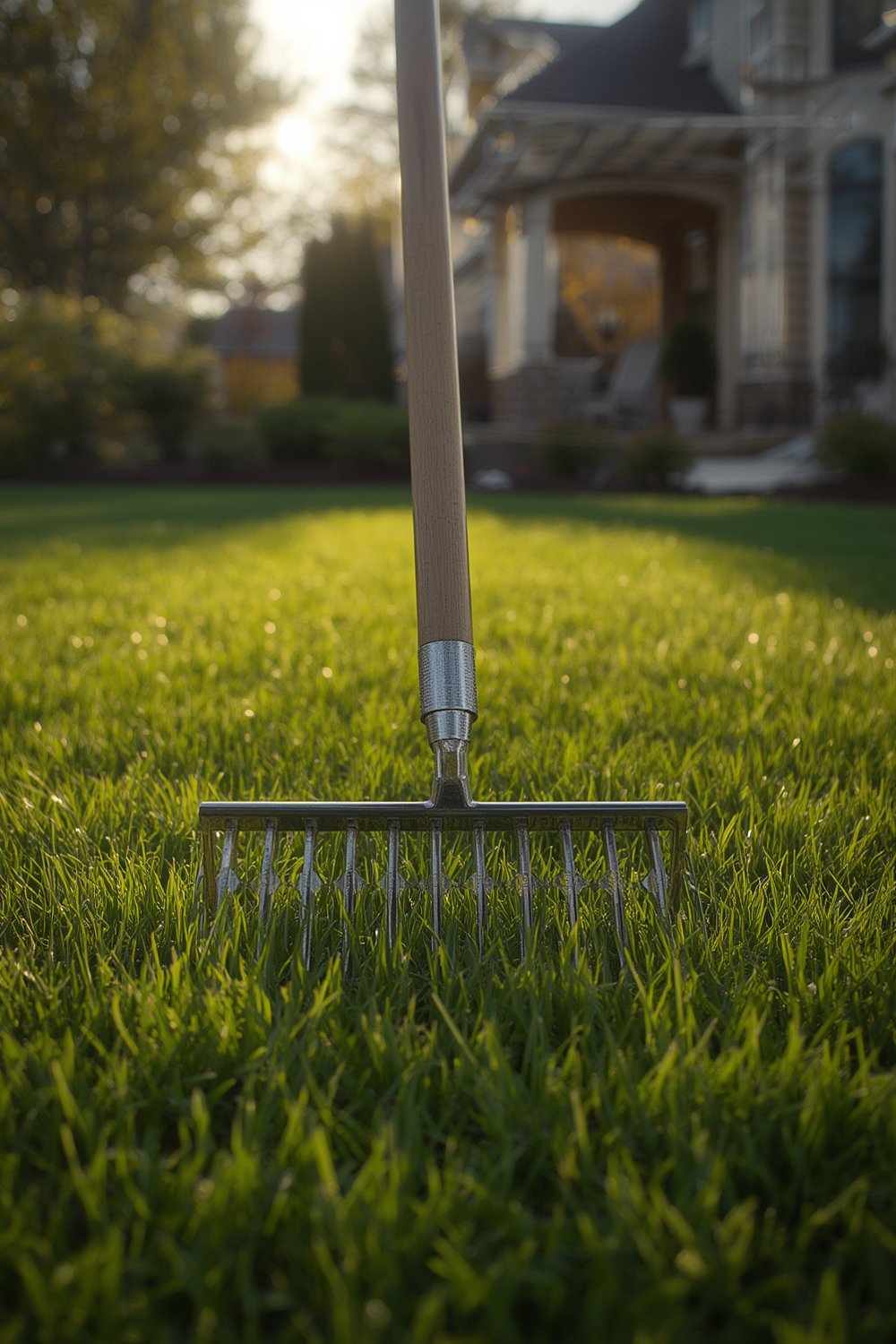
When water pools in low areas or your mower scalps high spots, a lawn leveling rake redistributes material to create a more even surface. This process also improves drainage, reduces trip hazards, and lets new grass seed establish more easily in open patches.
Compared to other tools like bow rakes, leveling rakes have a wider head (30 to 48 inches), a mesh or tine design for easy push-pull movement, and long, ergonomic handles to minimize fatigue (GrowCycle). While there are no official 2024 study percentages, user reviews and experts consistently note improvements in flatness and puddling when using sand or soil with a leveling rake (Landzie).
Homeowners often ask if a rake justifies the investment, especially if tempted to hire professional lawn leveling services. The answer boils down to the size of your yard, how much you value lawn health, and whether you’re ready to follow a few proven steps.
Step-by-Step Guide: How to Use a Lawn Leveling Rake at Home
Leveling your lawn with a rake is straightforward, but skipping steps or using the wrong technique risks poor results. Here’s how to get professional results as a homeowner:
- Prep the Area: First, mow your grass lower than usual—without scalping. Remove rocks, debris, and thatch (reference). If you have thick thatch, use a power rake or dethatcher before starting. Dethatching not only ensures even contact for the soil but also helps new seed take root later. For more on prepping your home for seasonal improvements, check out these home insulation supplies.
- Mix and Apply Topdressing Material: Select a mix of sand and compost or screened topsoil—typically 1:1 for best results. For deep holes or ruts, fill by hand and reseed before going over with the rake. Avoid using pure sand in deeper spots, as this can shift and destabilize the surface.
- Start Leveling: Shovel the mix onto the lawn in small piles, focusing on low and bumpy zones.
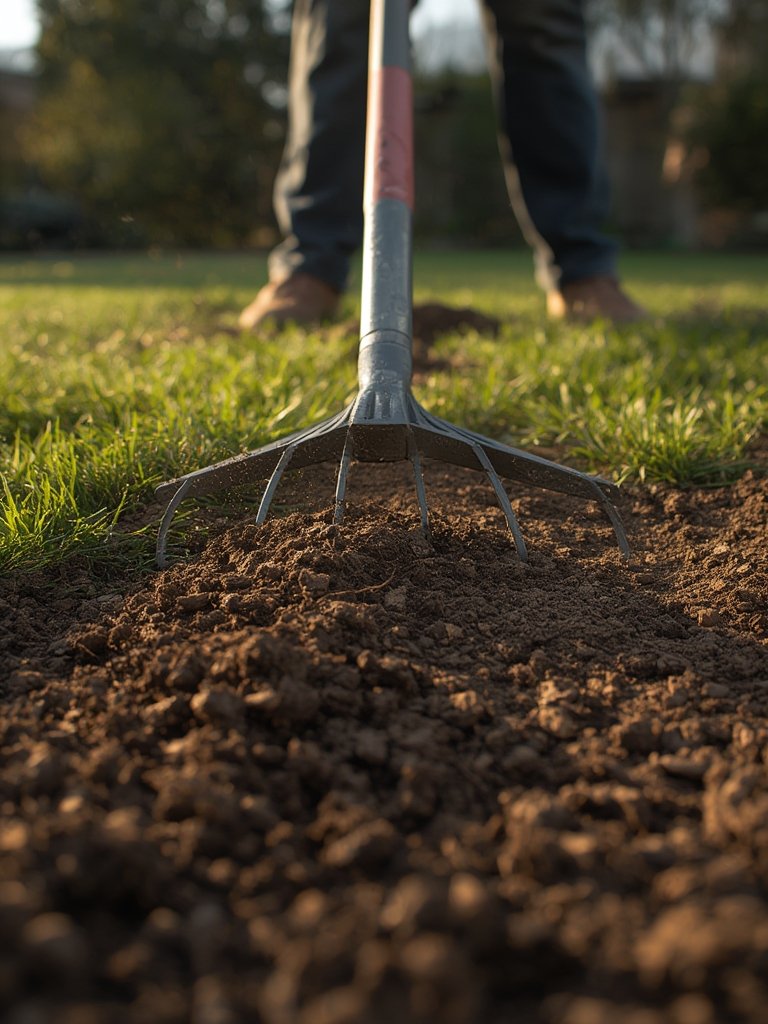
- Use the Lawn Leveling Rake: Use a push-pull motion at a 15 to 30 degree angle, working the material across high and low areas. Keep the layer no thicker than ¼ to ½ inch—adding too much at once can suffocate your grass and block sunlight (reference).
- Blend In: When finished, sweep the rake from different angles to blend and feather the edges.
- Water (and Wait): Water gently to help settle the mix and aid grass recovery. Avoid heavy traffic until growth resumes.
- Repeat Light Applications If Needed: For severely uneven lawns, 2-3 light applications are safer than one thick layer.
- Clean and Store Your Rake: Rinse off all debris and allow the rake to dry before storing. This protects the head, tines, and handle for long-term use.
To keep your lawn looking its best through the year, keep an eye on new trends in seasonal home decor, too. Tending to the yard is just as rewarding as sprucing up the inside.
If you want to keep everything organized for different lawn care and seasonal DIY needs, visit these space saving shelving ideas for the garage or garden shed.
Advanced Analysis & Common Pitfalls
No tool or technique is perfect for everyone. The top complaints and mistakes about lawn leveling rake uses, based on actual homeowner feedback and expert sources:
| Issue | Description | How to Prevent |
|---|---|---|
| Heavy Weight Causing Arm Fatigue | Wide metal rakes (30”–48”) are efficient but can be tiring, especially for those not used to manual labor. Arms may get sore quickly. | Choose an aluminum model or shorter sessions. Consider models with ergonomic handles (This Old House). |
| Tine Buildup (Clogging) | Material sticks in the mesh or tines, slowing the job—it’s more frequent with clay soils or wet topdressing. | Shake out debris regularly, use drier materials, or opt for tines with wider spacing. |
| Limited Maneuverability in Tight Spaces | Wide rakes can’t reach around trees, flower beds, or narrow strips along driveways. | Use a bow rake or narrow landscape rake for edges and corners (source). |
| Applying Too-Thick Soil Layers | Many users overdo it—more than ½ inch can choke grass and block sunlight, leading to dead or patchy areas (GrowCycle). | Stick to ¼–½ inch per application and never bury green blades completely. |
| Skipping Prep (Debris, Dethatching) | If you skip mowing, removing debris, or dethatching, you risk hiding uneven spots or compacting the soil with your topdressing. | Always prepare thoroughly, just like prepping for kitchen renovation. |
| Using Wrong Soil Mix | Using just sand on deep ruts or clay-heavy lawns destabilizes the area; grass doesn’t root well. | Use a mix of sand and compost/topsoil (1:1) and hand-fill ruts before raking. |
| Not Maintaining the Rake | Rust, dull tines, or loose connections can ruin performance and shorten lifespan. | Clean, dry, and store the tool properly after every use. |
Technical choices really matter. For example, the Landzie 36” Lawn Leveling Rake features powder-coated steel, a long ergonomic handle, and fine mesh—making it ideal for large areas and tough jobs. Still, all large rakes share the same limitation in smaller spaces.
Small additions to your process can have big effects. For example, combine leveling with power raking in early spring for thatch, or repeat light topdressing in autumn—a trick rarely covered in most guides.
If you want more home DIY ideas with major impact, you’ll enjoy our guide to modern Christmas decor and staircase garlands.
Cost Comparison: While no specific 2024 price quotes are available, market data shows lawn leveling rake demand is strong, with global sales topping $178 million (Growth Market Reports). Buying a quality rake usually costs less than hiring pros and can serve multiple years, but renting or outsourcing may make sense for one-off or extra-large projects.
Maintenance Tip: When storing your leveling rake, hang it in a dry area, and occasionally check joints and mesh for wear—just like you would with eco-friendly home tools.
Conclusion
The right approach to lawn leveling rake uses can dramatically improve a bumpy, puddling, or tired lawn at a fraction of the cost of full renovation. Success depends on careful prep, choosing the correct tool specs, and following through with light, repeated applications. Avoid common pitfalls like applying too much soil or neglecting maintenance. For most homeowners, the investment pays off in a smoother, healthier yard for years to come.
Ready to transform your lawn? Follow these steps, consider your unique needs, and choose the tools that fit your strength and space. Share your results—or any new hacks—below, and explore our holiday DIY stations for even more ways to upgrade your home year-round!
Frequently Asked Questions
Do I need a lawn leveling rake for small patches, or is it only for large lawns?
A wide leveling rake is most efficient for big, open lawns. For smaller yards or spot repairs, a landscape rake or bow rake can work, but you may need more patience and precision.
How thick should I apply topdressing with a leveling rake?
Never apply more than ¼ to ½ inch in a single pass—thicker layers can suffocate the grass. Lighter, repeated applications yield healthier, smoother lawns.
Can a lawn leveling rake fix deep holes or severe bumps?
No. Deep ruts should be filled by hand with a sand-organic mix and possibly reseeded. Rakes work best for smoothing mild bumps or low spots.
How do I prevent sore arms and fatigue when leveling my lawn?
Choose lightweight, ergonomic rakes, take breaks, and alternate rake direction. Wearing gloves and maintaining good body posture also help reduce strain.
How do I maintain my lawn leveling rake to make it last?
Rinse off all debris and dry the rake after every use. Store in a dry, sheltered place, periodically check and tighten connections, and sharpen tines if needed.